
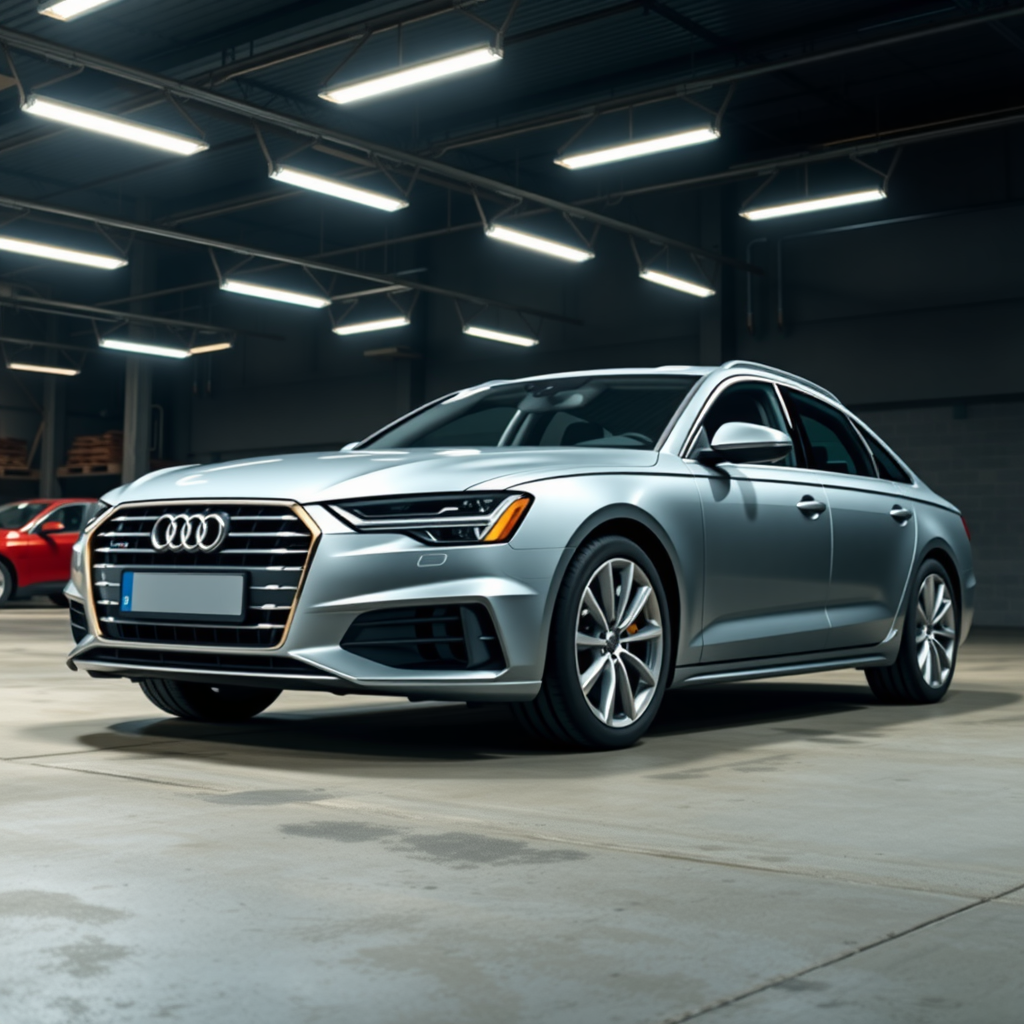
Audi A6 wheel fitment — C4
Overview
The Audi A6 C4, introduced in 1994 as a successor to the Audi 100, marked the beginning of Audi's alphanumeric nomenclature. Produced until 1998 in Germany and continuing production in China from 2000 to 2003, this generation was built on the Volkswagen Group C platform. It featured minor exterior changes over its predecessor but introduced a range of petrol and diesel engines, including turbocharged options. Available with front-wheel drive or Audi's quattro four-wheel-drive system, it came in saloon (sedan) and Avant (estate/wagon) body styles.
Audi A6 wheel fitment
Audi A6 wheel fitment for the Audi A6 C4 (1994–1997): the factory PCD, centre bore and bolt spec, then the aftermarket width and offset window we fit to.
| Bolt pattern (PCD) | 5x112 |
| Centre bore | 57.1 mm |
| Bolt / thread | M14x1.5 (bolts) |
| Wheel-bolt torque | 120 Nm |
| Seat type | radius |
| Factory setup | square |
| TPMS | indirect |
Aftermarket wheel sizes — read per position:
| Position | Width | Offset |
|---|---|---|
| Front | 6J–8.5J | ET15–ET45 |
As a rule, each extra 1J of width wants roughly +8–10 ET to keep the wheel tucked. The exact offset and any spacer are confirmed by the fit-check.
UK popularity & demand
Based on DfT VEH0124 vehicle-parc data (2025), there are approximately 128,620 Audi A6 on UK roads, placing it in the top 3% of car models by volume across our fitment database.
That makes Audi A6 wheel fitment a high-demand spec to keep in stock. It is one reason we track it here.
Source: DfT/DVLA licensed-vehicle statistics (VEH0124), matched to the AIWheelTech fitment database.
Engines & drivetrain
| Variant | Engine | Fuel | Power | Drive |
|---|---|---|---|---|
| 4.2 32v (AHK) | 4.2L V8 DOHC | petrol | 240 hp | Quattro |
| 4.2 32v (AEC) | 4.2L V8 DOHC | petrol | 213 hp | Quattro |
| 2.2 20v Turbo (AAN) | 2.2L Inline-5 DOHC | petrol | 169 hp | Quattro |
| 2.8 30v (ACK) | 2.8L V6 DOHC | petrol | 142 hp | Quattro |
| 2.8 12v (AAH) | 2.8L V6 SOHC | petrol | 128 hp | Quattro |
| 2.0 8v MPFI | 2.0L Inline-4 SOHC | petrol | 115 hp | Quattro |
| 2.5 TDI 10v | 2.5L Inline-5 SOHC | diesel | 115 hp | Quattro |
| 2.4 12v (AFM) | 2.4L V6 SOHC | petrol | 110 hp | Quattro |
| 2.6 12v (ABC) | 2.6L V6 SOHC | petrol | 110 hp | Quattro |
| 2.0 16v (ACE) | 2.0L Inline-4 DOHC | petrol | 103 hp | Quattro |
| 2.3 10v (AAR) | 2.3L Inline-5 SOHC | petrol | 98 hp | Quattro |
| 1.8 20v (ADR) | 1.8L Inline-4 DOHC | petrol | 92 hp | Quattro |
| 2.0 8v SPFI (ABK) | 2.0L Inline-4 SOHC | petrol | 74 hp | Quattro |
| 1.9 TDI 8v | 1.9L Inline-4 SOHC | diesel | 66 hp | Quattro |
Performance
| Variant | Power | 0–62 mph | Top speed |
|---|---|---|---|
| 4.2 32v (AHK) | 240 hp | 5.6 s | 149 mph |
Dimensions
| Length | 4797 mm |
| Width | 1783 mm |
| Height | 1430 mm |
| Wheelbase | 2687 mm |
| Kerb weight | 1480 kg |
Body styles & production
| Body styles | Saloon, Avant |
| Produced | 1994–1997 |
Trim levels
Factory colours
History & notable variants
The C4 generation was notable for being the first to use Audi's new alphanumeric naming scheme and featured a facelifted version of the previous Audi 100. It also saw the introduction of the S6, which was based on the Audi S4 but renamed due to the discontinuation of the S4 name until its reintroduction later in a different model line-up. The C4 generation laid the groundwork for future A6 models with its diverse engine offerings and quattro system.
Reliability & owner notes
- Pros: Introduction of quattro system as standard option; diverse engine offerings including diesel and petrol options
- Cons: Limited production in later years compared to initial launch
- Common issues: No specific reliability issues noted