
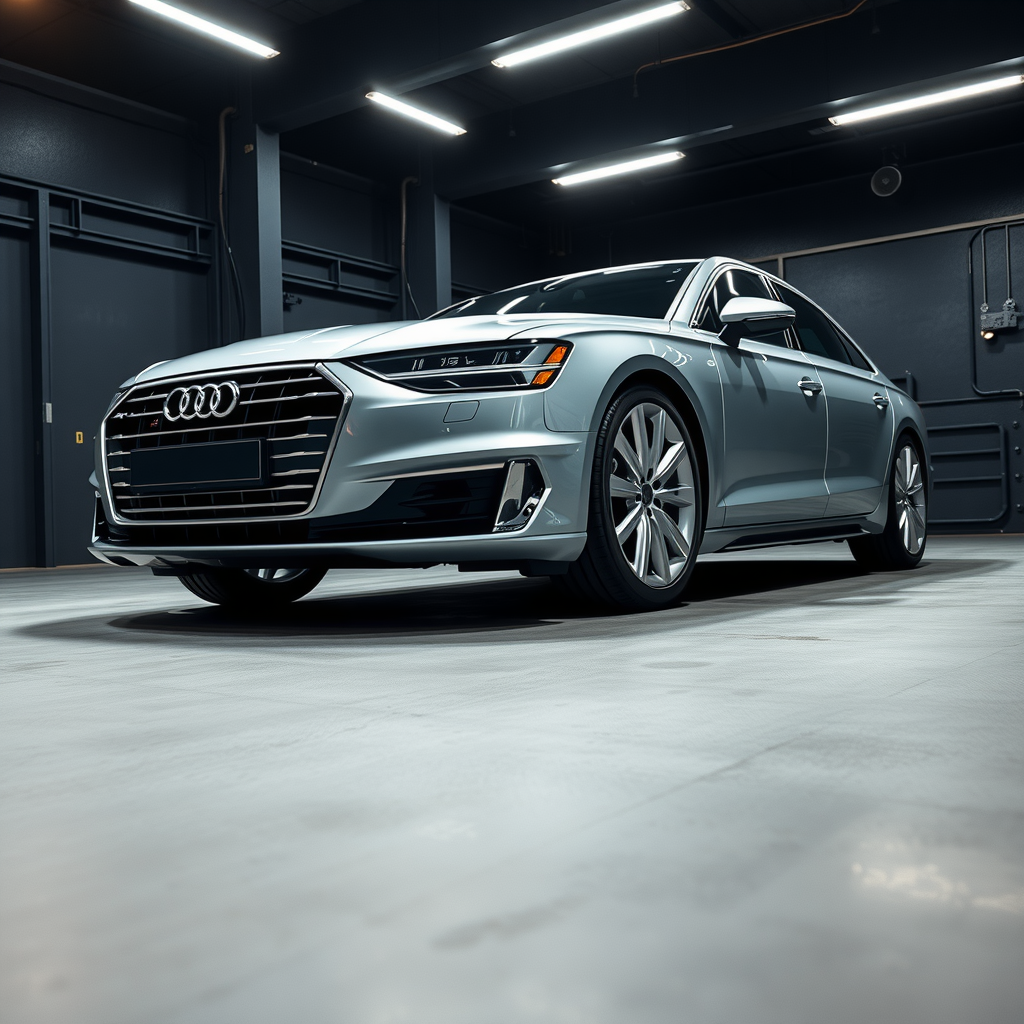
Audi A8 wheel fitment — D4 Facelift
Audi A8 wheel fitment
Audi A8 wheel fitment comes down to two things: the factory hub spec, and how far the aftermarket width and offset can move from it. Both are here for the Audi A8 D4 Facelift (2013–2018).
| Bolt pattern (PCD) | 5x112 |
| Centre bore | 66.6 mm |
| Bolt / thread | M14x1.5 (bolts) |
| Wheel-bolt torque | 120 Nm |
| Seat type | radius |
| Factory setup | square |
| TPMS | indirect |
Aftermarket wheel sizes — read per position:
| Position | Width | Offset |
|---|---|---|
| Front | 7J–10J | ET15–ET45 |
Go wider and the offset has to rise with it, about 8 to 10 ET per extra 1J, or the wheel pokes past the arch. The fit-check settles the exact offset and any spacer.
Overview
The Audi A8 D4 is a full-size luxury sedan manufactured by Audi since its introduction in 2009. It succeeded the third generation and was built on the Volkswagen Group MLB platform, known for its aluminum construction method called the Audi Space Frame (ASF). The fourth generation introduced significant changes over its predecessor, including enhanced technology features and improved design aesthetics. Produced exclusively at Audi's Neckarsulm plant in Germany, this generation offered both front-wheel drive and quattro all-wheel drive options, available in short- and long-wheelbase variants.
Engines & drivetrain
| Variant | Engine | Fuel | Power | Drive, years |
|---|---|---|---|---|
| hybrid (L) | VW EA888, 1,984 cc, CHJA | petrol | 180 kW (245 PS) | FWD, 2012 to 2015 |
| 3.0 TDI | VW EA896G2, 2,967 cc, CLAB | diesel | 150 kW (204 PS) | FWD, 2011 to 2013 |
| 3.0 TDI (L) | VW EA896G2, 2,967 cc, CDTA | diesel | 184 kW (250 PS) | AWD, 2010 to 2013 |
| 3.0 TDI (L) | VW EA896G2, 2,967 cc, CTBA | diesel | 190 kW (258 PS) | AWD, 2013 to 2015 |
| 3.0 TDI (L) | VW EA897 evo, 2,967 cc, CTBD | diesel | 193 kW (262 PS) | AWD, 2015 to 2017 |
| 3.0 TDI ultra | VW EA897 evo, 2,967 cc, CTBD | diesel | 193 kW (262 PS) | AWD, 2015 to 2017 |
| 4.2 TDI (L) | VW EA898, 4,134 cc, CDSB | diesel | 258 kW (351 PS) | AWD, 2009 to 2013 |
| 4.2 TDI (L) | VW EA898, 4,134 cc, CTEC | diesel | 283 kW (385 PS) | AWD, 2013 to 2017 |
Source: Audi A8 D4, de.wikipedia.org.
Performance
| Variant | Power | 0 to 62 mph (0 to 100 km/h) | Top speed |
|---|---|---|---|
| hybrid (L) | 180 kW (245 PS) | 7.7 to 7.9 s | |
| 3.0 TDI | 150 kW (204 PS) | 7.9 s | |
| 3.0 TDI (L) | 184 kW (250 PS) | 6.1 to 6.2 s | |
| 3.0 TDI (L) | 190 kW (258 PS) | 5.9 to 6.1 s | |
| 3.0 TDI (L) | 193 kW (262 PS) | 5.9 to 6.1 s | |
| 3.0 TDI ultra | 193 kW (262 PS) | 5.9 s | |
| 4.2 TDI (L) | 258 kW (351 PS) | 5.5 to 5.6 s | |
| 4.2 TDI (L) | 283 kW (385 PS) | 4.7 to 4.9 s |
Source: Audi A8 D4, de.wikipedia.org.
UK popularity & demand
Based on DfT VEH0124 vehicle-parc data (2025), there are approximately 9,653 Audi A8 on UK roads, placing it in the top 14% of car models by volume across our fitment database.
A parc that size is why Audi A8 wheel fitment is worth getting exactly right: a lot of owners are shopping for these numbers.
Source: DfT/DVLA licensed-vehicle statistics (VEH0124), matched to the AIWheelTech fitment database.
History & notable variants
The D4 generation of the A8 was introduced as a significant update to the luxury sedan market, featuring advanced technology such as the Audi Multi Media Interface (MMI) system. It also marked the first mass-market car with an aluminum chassis co-developed by Alcoa and marketed as the Audi Space Frame. Notable for its high-performance variant, the S8, which was produced exclusively at Neckarsulm and offered in both short- and long-wheelbase configurations from this generation onwards.
Dimensions
| Length | 5,135 to 5,267 mm |
| Width | 1,949 mm |
| Height | 1,458 to 1,471 mm |
| Wheelbase | 2,990 to 3,122 mm |
| Kerb weight | 1,870 to 2,170 kg |
Source: Audi A8 D4, de.wikipedia.org.
Body styles & production
| Body styles | Limousine |
| Produced | 2013–2018 |
Trim levels
Factory colours
Reliability & owner notes
- Pros: Advanced technology features; high-quality materials and craftsmanship; innovative aluminum construction method
- Cons: Limited availability of detailed performance data for this generation in the reference
- Common issues: No specific reliability issues reported for this generation