
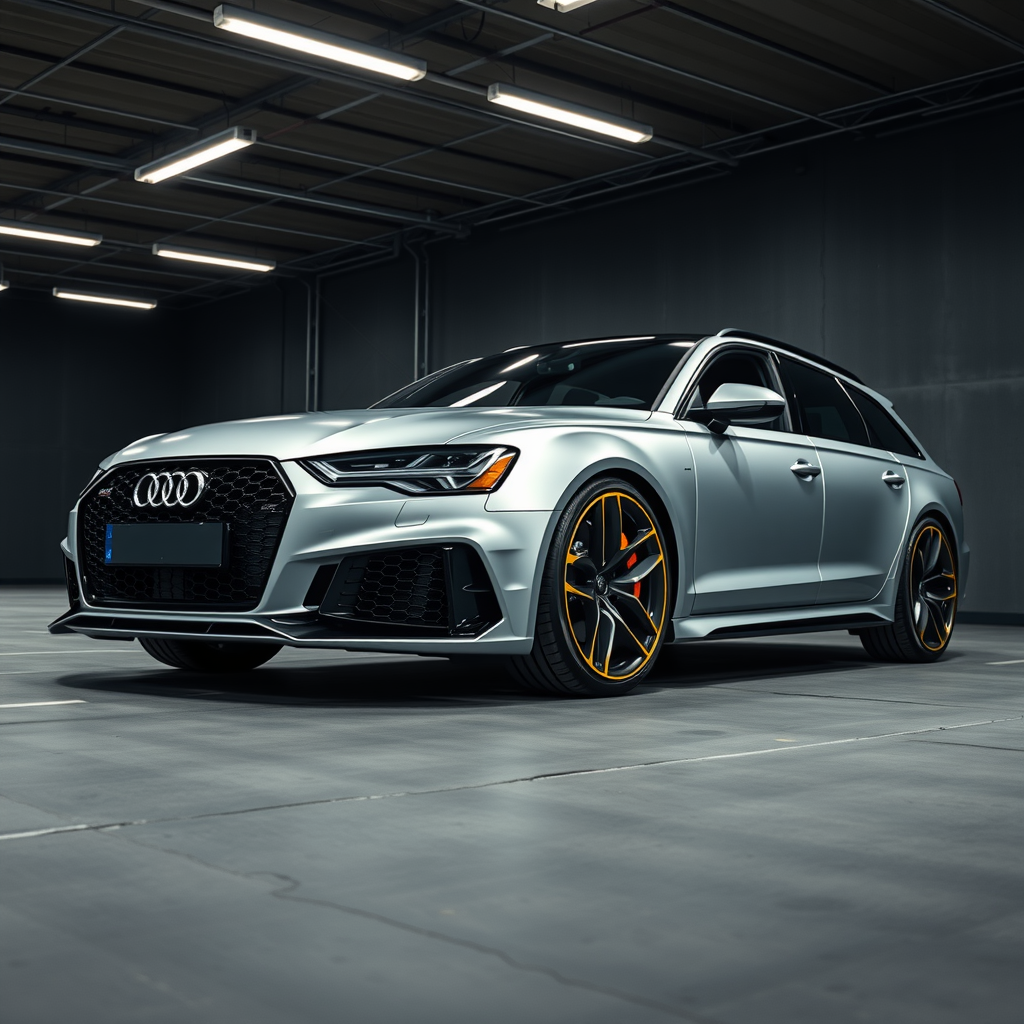
Audi RS6 wheel fitment — C5
Audi RS6 wheel fitment
Audi RS6 wheel fitment for the Audi RS6 C5 (2002–2004): the factory PCD, centre bore and bolt spec, then the aftermarket width and offset window we fit to.
| Bolt pattern (PCD) | 5x112 |
| Centre bore | 57.1 mm |
| Bolt / thread | M14x1.5 (bolts) |
| Wheel-bolt torque | 120 Nm |
| Seat type | radius |
| Factory setup | square |
| TPMS | indirect |
Aftermarket wheel sizes — read per position:
| Position | Width | Offset |
|---|---|---|
| Front | 7.5J–9J | ET15–ET33 |
Width and offset move together: roughly 8 to 10 ET more for every extra 1J keeps the wheel inside the arch. Final offset and any spacer come from the fit-check.
UK popularity & demand
Based on DfT VEH0124 vehicle-parc data (2025), there are approximately 5,649 Audi RS6 on UK roads, placing it in the top 18% of car models by volume across our fitment database.
That makes Audi RS6 wheel fitment a high-demand spec to keep in stock. It is one reason we track it here.
Source: DfT/DVLA licensed-vehicle statistics (VEH0124), matched to the AIWheelTech fitment database.
Overview
The Audi RS6 C5 is a high-performance variant of the Audi A6 range produced from June 2002 to September 2004. It was manufactured by Audi Sport GmbH and offered in both Avant (station wagon) and saloon forms, based on the Volkswagen Group C5 platform. The RS6 features an all-aluminium alloy twin-turbocharged V8 engine producing 331 kW (450 PS; 444 bhp), paired with a five-speed ZF tiptronic automatic transmission and Audi's quattro permanent four-wheel drive system. It was the first Audi RS variant exported to North America, marking its global presence.
Dimensions
| Length | 4,796 to 4,886 mm |
| Width | 1,819 mm |
| Height | 1,477 mm |
| Wheelbase | 2,760 to 2,850 mm |
| Kerb weight | 1,320 to 1,765 kg |
Source: Audi A6 C5, de.wikipedia.org.
Body styles & production
| Body styles | 5-door Avant (estate/wagon), 4-door saloon/sedan |
| Produced | 2002–2004 |
Engines & drivetrain
| Variant | Engine | Fuel | Power | Drive, years |
|---|---|---|---|---|
| 1.8 | 92 kW (125 PS) | |||
| 1.8 T | 110 kW (150 PS) | |||
| 1.8 T | 132 kW (180 PS) | |||
| 2.4 | 100 kW (136 PS) | |||
| 2.4 | 120 kW (163 PS) | |||
| 2.4 | 121 kW (165 PS) | |||
| 2.7 T | 169 kW (230 PS) | |||
| 2.7 T | 184 kW (250 PS) | |||
| 2.8 | 142 kW (193 PS) | |||
| 4.2 | 220 kW (299 PS) | |||
| S6 | 250 kW (340 PS) | |||
| 1.9 TDI (VEP) | diesel | 81 kW (110 PS) | ||
| 1.9 TDI (PD) | diesel | 85 kW (115 PS) | ||
| 2.5 TDI (VEP) | diesel | 110 kW (150 PS) | ||
| 2.5 TDI (VEP) | diesel | 132 kW (180 PS) | ||
| 2.0 | 96 kW (130 PS) | |||
| 2.4 | 125 kW (170 PS) | |||
| 3.0 | 162 kW (220 PS) | |||
| RS6 | 331 kW (450 PS) | |||
| RS6 plus | 353 kW (480 PS) | |||
| 1.9 TDI (PD) | diesel | 96 kW (130 PS) | ||
| 2.5 TDI (VEP) | diesel | 114 kW (155 PS) | ||
| 2.5 TDI (VEP) | diesel | 120 kW (163 PS) |
Source: Audi A6 C5, de.wikipedia.org.
Performance
| Variant | Power | 0 to 62 mph (0 to 100 km/h) | Top speed |
|---|---|---|---|
| 1.8 | 92 kW (125 PS) | 11.3 s | |
| 1.8 T | 110 kW (150 PS) | 9.4 s | |
| 2.4 | 120 kW (163 PS) | 9.1 s | |
| 2.4 | 121 kW (165 PS) | 9.1 s | |
| 2.7 T | 169 kW (230 PS) | 7.3 s | |
| 2.7 T | 184 kW (250 PS) | 6.8 s | |
| 2.8 | 142 kW (193 PS) | 8.1 s | |
| 4.2 | 220 kW (299 PS) | 6.9 s | |
| S6 | 250 kW (340 PS) | 5.7 s | |
| 1.9 TDI (VEP) | 81 kW (110 PS) | 12.3 s | |
| 1.9 TDI (PD) | 85 kW (115 PS) | 11.6 s | |
| 2.5 TDI (VEP) | 110 kW (150 PS) | 9.7 s | |
| 2.5 TDI (VEP) | 132 kW (180 PS) | 8.9 s | |
| 2.0 | 96 kW (130 PS) | 10.5 s | |
| 2.4 | 125 kW (170 PS) | 9.3 s | |
| 3.0 | 162 kW (220 PS) | 7.5 s | |
| RS6 | 331 kW (450 PS) | 4.7 s | |
| RS6 plus | 353 kW (480 PS) | 4.5 s | |
| 1.9 TDI (PD) | 96 kW (130 PS) | 10.5 s | |
| 2.5 TDI (VEP) | 114 kW (155 PS) | 9.7 s | |
| 2.5 TDI (VEP) | 120 kW (163 PS) | 9.3 s |
Source: Audi A6 C5, de.wikipedia.org.
Trim levels
Factory colours
History & notable variants
The C5 generation of the RS6 marked the fourth model from Audi Sport GmbH, following the RS2 Avant, S6 Plus, and B5 RS4. The car debuted at the Frankfurt Motor Show in 2002 and was succeeded by the C6 version in 2008. It achieved notable success in auto racing, winning the SPEED World Challenge GT Series manufacturers' championship for three consecutive years from 2002 to 2004.
Reliability & owner notes
- Pros: High-performance V8 engine; Quattro all-wheel drive system; Advanced suspension technology
- Cons: Limited production run; Higher fuel consumption compared to standard A6 models
- Common issues: DRC dampers have been known to fail, affecting handling and ride quality.