Audi TT wheel fitment — 8J
Audi TT wheel fitment
Audi TT wheel fitment for the Audi TT 8J (2006–2010): the factory PCD, centre bore and bolt spec, then the aftermarket width and offset window we fit to.
| Bolt pattern (PCD) | 5x112 |
| Centre bore | 57.1 mm |
| Bolt / thread | M14x1.5 (bolts) |
| Wheel-bolt torque | 125 Nm |
| Seat type | radius |
| Factory setup | square |
| TPMS | indirect |
Aftermarket wheel sizes — read per position:
| Position | Width | Offset |
|---|---|---|
| Front | 7J–9J | ET19–ET55 |
As a rule, each extra 1J of width wants roughly +8 to 10 ET to keep the wheel tucked. The exact offset and any spacer are confirmed by the fit-check.
UK popularity & demand
Based on DfT VEH0124 vehicle-parc data (2025), there are approximately 60,071 Audi TT on UK roads, placing it in the top 5% of car models by volume across our fitment database.
With that many on the road, Audi TT wheel fitment is a spec fitters see constantly. We keep it current for that reason.
Source: DfT/DVLA licensed-vehicle statistics (VEH0124), matched to the AIWheelTech fitment database.
Overview
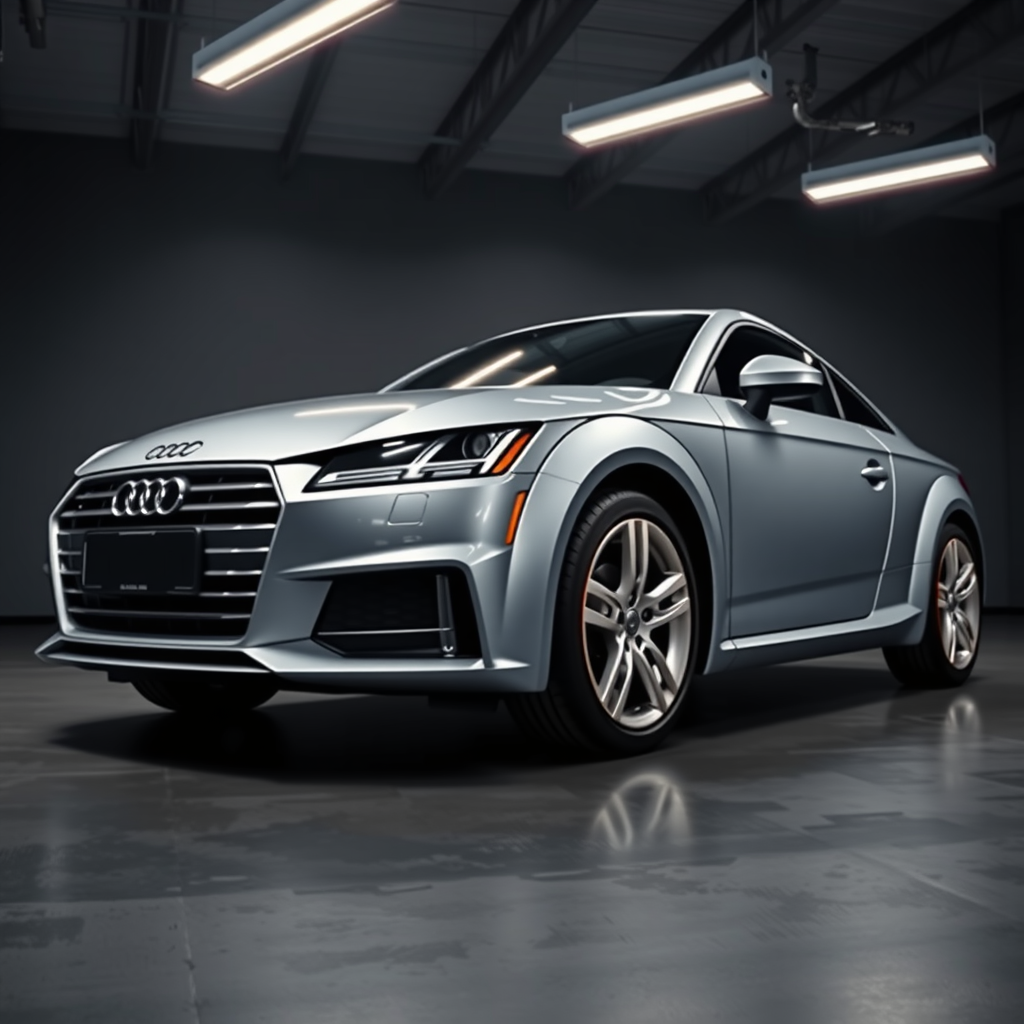
The Audi TT 8J is the second generation of the Audi TT sports car manufactured from 2006 to 2014. It was based on Volkswagen Group's PQ35 platform, featuring a mix of aluminium and steel construction for improved weight distribution. Available in coupé and roadster body styles, it offered front-wheel drive or quattro all-wheel-drive options. The second generation introduced the EA888 turbocharged fuel stratified injection (TFSI) engine alongside the established 2.0-litre TFSI and carried over the 3.2-litre VR6 from its predecessor. It was assembled in Hungary, with bodyshells manufactured and painted at Audi's Ingolstadt plant.
Dimensions
| Length | 4,178 to 4,198 mm |
| Width | 1,842 mm |
| Height | 1,342 to 1,358 mm |
| Wheelbase | 2,468 mm |
| Kerb weight | 1,315 to 1,585 kg |
Source: Audi TT 8J, de.wikipedia.org; EU type-approval data (EEA).
Body styles & production
| Body styles | Kombicoupé, Roadster |
| Produced | 2006–2010 |
Engines & drivetrain
| Variant | Engine | Fuel | Power | Drive, years |
|---|---|---|---|---|
| 1.8 TFSI | VW EA888, 1,798 cc, CDAA | petrol | 118 kW (160 PS) | FWD, 2008 to 2014 |
| 2.0 TFSI | VW EA113, (VW EA888), 1,984 cc, BWA, BPY, (CCZA) | petrol | 147 kW (200 PS) | FWD or AWD, 2006 to 2010 |
| 2.0 TFSI | VW EA888, 1,984 cc, CESA, CETA | petrol | 155 kW (211 PS) | FWD or AWD, 2010 to 2014 |
| 2.0 TFSI / (TTS) | VW EA113, 1,984 cc, CDLB | petrol | 200 kW (272 PS) | quattro, 2008 to 2014 |
| 2.5 TFSI / (TT RS) | VW EA855, 2,480 cc, CEPA | petrol | 250 kW (340 PS) | quattro, 2009 to 2014 |
| 2.5 TFSI / (TT RS plus) | VW EA855, 2,480 cc, CEPB | petrol | 265 kW (360 PS) | quattro, 2012 to 2014 |
| 3.2 | VW EA390, 3,189 cc, BUB | petrol | 184 kW (250 PS) | quattro, 2006 to 2010 |
| 2.0 TDI | VW EA189, 1,968 cc, CBBB, CFGB | diesel | 125 kW (170 PS) | quattro, 2008 to 2014 |
Source: Audi TT 8J, de.wikipedia.org.
Performance
| Variant | Power | 0 to 62 mph (0 to 100 km/h) | Top speed |
|---|---|---|---|
| 1.8 TFSI | 118 kW (160 PS) | 7.2 to 7.5 s | 223 to 226 km/h (139 to 140 mph) |
| 2.0 TFSI | 147 kW (200 PS) | 6.2 to 6.7 s | 235 to 240 km/h (146 to 149 mph) |
| 2.0 TFSI | 155 kW (211 PS) | 5.7 to 6.3 s | 240 to 245 km/h (149 to 152 mph) |
| 2.0 TFSI / (TTS) | 200 kW (272 PS) | 5.2 to 5.7 s | 250 km/h (155 mph) |
| 2.5 TFSI / (TT RS) | 250 kW (340 PS) | 4.3 to 4.7 s | 250 km/h (155 mph) |
| 2.5 TFSI / (TT RS plus) | 265 kW (360 PS) | 4.1 to 4.4 s | 280 km/h (174 mph) |
| 3.2 | 184 kW (250 PS) | 5.7 to 6.1 s | 250 km/h (155 mph) |
| 2.0 TDI | 125 kW (170 PS) | 7.5 to 7.8 s | 222 to 226 km/h (138 to 140 mph) |
Source: Audi TT 8J, de.wikipedia.org.
Trim levels
Factory colours
History & notable variants
The second-generation TT debuted on April 6, 2006, showcasing a more angular design compared to its predecessor. Notable for introducing the EA888 engine technology derived from Audi’s Le Mans race cars, it offered improved fuel efficiency and power output. The model also featured an active suspension system called 'Audi Magnetic Ride' as an option.
Reliability & owner notes
- Pros: Improved fuel efficiency and power output with EA888 engine; advanced suspension technology
- Cons: Limited availability of the EA888 engine initially; higher maintenance costs for complex systems