BMW 1 Series wheel fitment — I LCI E82/E88
Overview
The BMW 1 Series is a range of subcompact executive cars (C-segment) manufactured by BMW since 2004. It succeeded the BMW 3 Series Compact and is currently in its fourth generation, positioned as the entry-level model in BMW's product lineup. The first generation was produced in hatchback, coupé, and convertible body styles but since 2014, the coupé and convertible models have been marketed separately under the BMW 2 Series nameplate. A four-door sedan variant for the Chinese market began production in 2017 using a front-wheel drive platform. The series transitioned from rear-wheel to front-wheel drive configurations with all-wheel drive options available since 2012.
BMW 1 Series wheel fitment
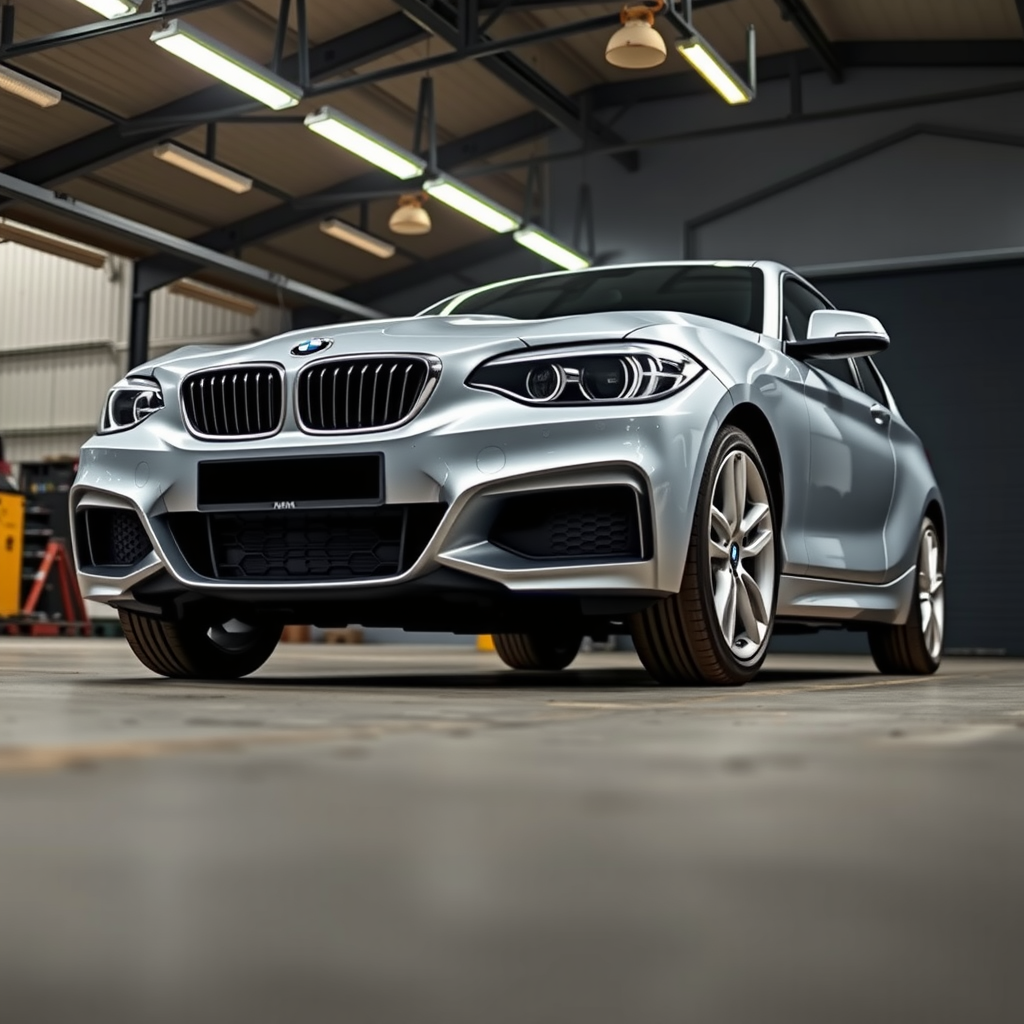
BMW 1 Series wheel fitment for the BMW 1 Series I LCI (E82/E88) (2011–2013): the factory PCD, centre bore and bolt spec, then the aftermarket width and offset window we fit to.
| Bolt pattern (PCD) | 5x120 |
| Centre bore | 72.6 mm |
| Bolt / thread | M14 x 1.25 (bolts) |
| Wheel-bolt torque | 140 Nm |
| Seat type | tapered |
| Factory setup | staggered |
| TPMS | none |
| Run-flat | Yes |
Aftermarket wheel sizes — read per position:
| Position | Width | Offset |
|---|---|---|
| Front | 6J–8J | ET22–ET45 |
| Rear (staggered) | 7J–8.5J | ET33–ET45 |
As a rule, each extra 1J of width wants roughly +8–10 ET to keep the wheel tucked. The exact offset and any spacer are confirmed by the fit-check.
UK popularity & demand
Based on DfT VEH0124 vehicle-parc data (2025), there are approximately 397,465 BMW 1 Series on UK roads, placing it in the top 1% of car models by volume across our fitment database.
That makes BMW 1 Series wheel fitment a high-demand spec to keep in stock. It is one reason we track it here.
Source: DfT/DVLA licensed-vehicle statistics (VEH0124), matched to the AIWheelTech fitment database.
Engines & drivetrain
| Variant | Engine | Fuel | Power | Drive |
|---|---|---|---|---|
| 1 Series M Coupé | 3.0L N54B30 turbo petrol | petrol | 340 hp | RWD |
| 123i | 3.0L N54B30 turbo petrol | petrol | 238 hp | RWD |
| 123d | 3.0L N57B30 turbo diesel | diesel | 238 hp | RWD |
| 120i | 2.0L N46B20A turbo petrol | petrol | 184 hp | RWD |
| 120d | 2.0L N47B20 turbo diesel | diesel | 177 hp | RWD |
| 118i | 1.6L N46B16A turbo petrol | petrol | 150 hp | RWD |
| 118d | 2.0L N47B20 turbo diesel | diesel | 143 hp | RWD |
| 116i | 1.6L N46B16A turbo petrol | petrol | 136 hp | RWD |
| 116d | 1.6L N47B16 turbo diesel | diesel | 105 hp | RWD |
Performance
| Variant | Power | 0–62 mph | Top speed |
|---|---|---|---|
| 116i | 136 hp | 8.5 s | 129 mph |
| 118i | 150 hp | 7.9 s | 133 mph |
| 120i | 184 hp | 7.1 s | 145 mph |
| 123i | 238 hp | 5.9 s | 155 mph |
| 116d | 105 hp | 8.9 s | 123 mph |
| 118d | 143 hp | 7.9 s | 135 mph |
| 120d | 177 hp | 7.1 s | 143 mph |
| 123d | 238 hp | 5.9 s | 155 mph |
| 1 Series M Coupé | 340 hp | 4.9 s | 155 mph |
Body styles & production
| Body styles | Hatchback |
| Produced | 2011–2013 |
Trim levels
Factory colours
History & notable variants
The first generation (E8x) was produced from 2004 to 2013 and featured rare rear-wheel drive in the hatchback segment, offering a range of engine types including turbo-diesel, naturally aspirated petrol, and six-cylinder engines. The high-performance variant, BMW 1 Series M Coupé, was introduced for this generation but discontinued with the coupé model's replacement by the 2 Series. The second generation (F20/F21) continued until 2019, maintaining rear-wheel drive while introducing inline-three engine options and optional all-wheel drive. In 2019, the third generation (F40) switched to a front-wheel drive layout with shared platforms for various BMW models. The fourth generation (F70), unveiled in June 2024, is a heavy refresh of its predecessor.
Reliability & owner notes
- Pros: Unique rear-wheel drive configuration in the hatchback segment for earlier generations; High-performance variants available
- Cons: Limited availability of certain body styles and performance models outside Europe