
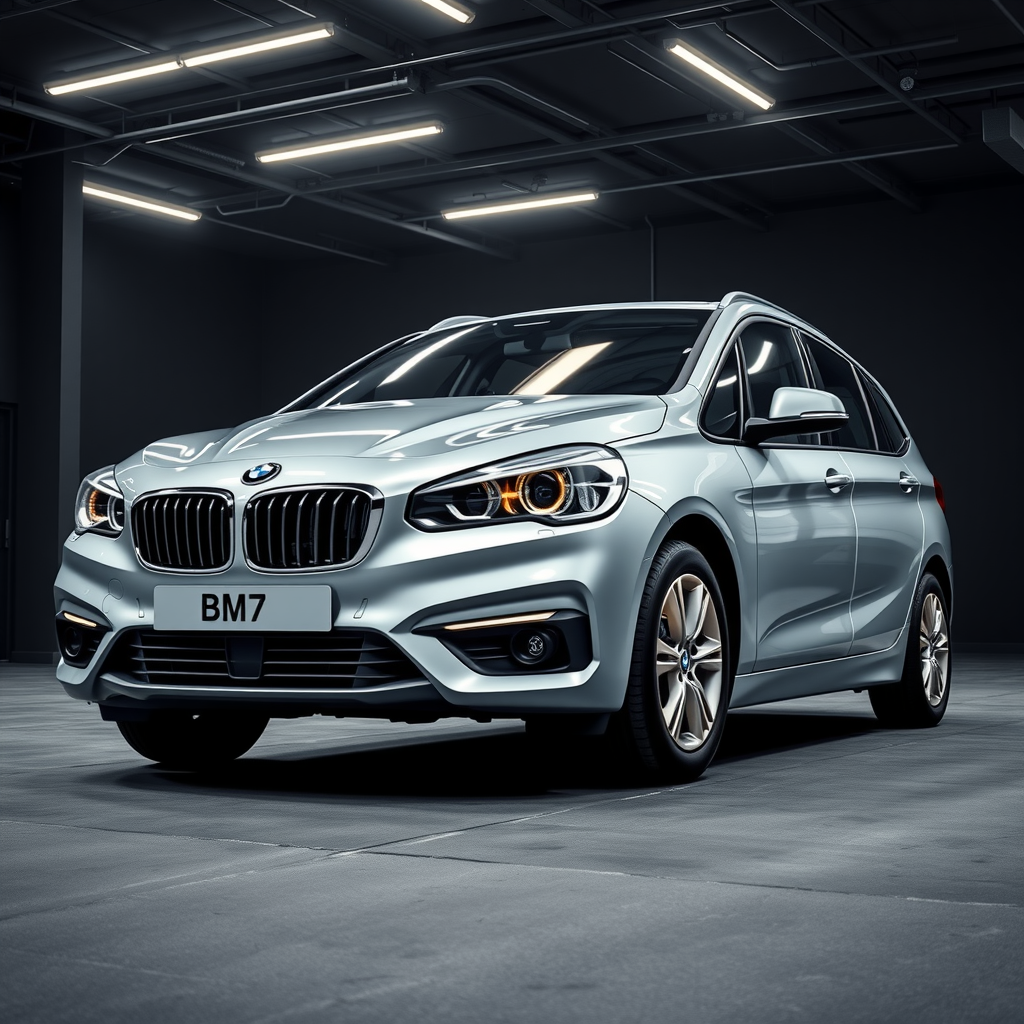
BMW 2 Series Gran Tourer wheel fitment — F46 Facelift
BMW 2 Series Gran Tourer wheel fitment
BMW 2 Series Gran Tourer wheel fitment comes down to two things: the factory hub spec, and how far the aftermarket width and offset can move from it. Both are here for the BMW 2 Series Gran Tourer F46 Facelift (2018–2022).
| Bolt pattern (PCD) | 5x112 |
| Centre bore | 66.6 mm |
| Bolt / thread | M14 x 1.25 (bolts) |
| Wheel-bolt torque | 140 Nm |
| Seat type | tapered |
| Factory setup | square |
| TPMS | direct |
| Run-flat | Yes |
Aftermarket wheel sizes — read per position:
| Position | Width | Offset |
|---|---|---|
| Front | 6J–8.5J | ET20–ET45 |
Go wider and the offset has to rise with it, about 8 to 10 ET per extra 1J, or the wheel pokes past the arch. The fit-check settles the exact offset and any spacer.
Overview
The BMW 2 Series Gran Tourer F46 is a compact luxury MPV produced from 2015 to 2021, based on the front-wheel-drive UKL2 platform with optional all-wheel drive (xDrive). It features three rows of seating and was designed as an extended version of the two-row BMW 2 Series Active Tourer. The F46 model is closely related to other vehicles built on the same platform such as the Mini Countryman, offering a blend of luxury and practicality with dynamic performance.
Engines & drivetrain
| Variant | Engine | Fuel | Power | Drive, years |
|---|---|---|---|---|
| 216i | B38A15, 1,499 cc | petrol | 75 kW (102 PS) | FWD, 2015 to 2018 |
| 218i | B38A15, 1,499 cc | petrol | 100 kW (136 PS) | FWD, 2015 to 2018 |
| 218i | B38A15, 1,499 cc | petrol | 103 kW (140 PS) | FWD, 2017 to 2018 |
| 220i | B48A20, 1,998 cc | petrol | 141 kW (192 PS) | FWD, 2015 to 2018 |
| 216i | B38A15, 1,499 cc | petrol | 80 kW (109 PS) | FWD, 2018 to 2020 |
| 216i | B38A15, 1,499 cc | petrol | 80 kW (109 PS) | FWD, 2020 to 2022 |
| 218i | B38A15, 1,499 cc | petrol | 100 kW (136 PS) | FWD, 2020 to 2022 |
| 218i | B38A15, 1,499 cc | petrol | 103 kW (140 PS) | FWD, 2018 to 2020 |
| 220i | B48A20, 1,998 cc | petrol | 131 kW (178 PS) | FWD, 2020 to 2022 |
| 220i | B48A20, 1,998 cc | petrol | 141 kW (192 PS) | FWD, 2018 to 2020 |
| 214d | B37C15, 1,496 cc | diesel | 70 kW (95 PS) | FWD, 2015 to 2018 |
| 216d | B37C15, 1,496 cc | diesel | 85 kW (116 PS) | FWD, 2015 to 2018 |
| 218d | B47C20, 1,995 cc | diesel | 110 kW (150 PS) | FWD, 2015 to 2018 |
| 220d | B47C20, 1,995 cc | diesel | 140 kW (190 PS) | FWD, 2015 to 2018 |
| 220d xDrive | B47C20, 1,995 cc | diesel | 140 kW (190 PS) | xDrive, 2015 to 2018 |
| 216d | B37C15, 1,496 cc | diesel | 85 kW (116 PS) | FWD, 2018 to 2019 |
| 216d | B37C15, 1,496 cc | diesel | 85 kW (116 PS) | FWD, 2019 to 2022 |
| 218d | B47C20, 1,995 cc | diesel | 110 kW (150 PS) | FWD, 2018 to 2020 |
| 218d | B47C20, 1,995 cc | diesel | 110 kW (150 PS) | FWD, 2020 to 2022 |
| 218d xDrive | B47C20, 1,995 cc | diesel | 110 kW (150 PS) | xDrive, 2018 to 2020 |
| 218d xDrive | B47C20, 1,995 cc | diesel | 110 kW (150 PS) | xDrive, 2020 to 2022 |
| 220d | B47C20, 1,995 cc | diesel | 140 kW (190 PS) | FWD, 2018 to 2020 |
| 220d | B47C20, 1,995 cc | diesel | 140 kW (190 PS) | FWD, 2020 to 2022 |
| 220d xDrive | B47C20, 1,995 cc | diesel | 140 kW (190 PS) | xDrive, 2018 to 2020 |
| 220d xDrive | B47C20, 1,995 cc | diesel | 140 kW (190 PS) | xDrive, 2020 to 2022 |
Source: BMW 2er Gran Tourer, de.wikipedia.org.
Performance
| Variant | Power | 0 to 62 mph (0 to 100 km/h) | Top speed |
|---|---|---|---|
| 216i | 75 kW (102 PS) | 11.9 s | 185 km/h (115 mph) |
| 218i | 100 kW (136 PS) | 9.5 s | 203 to 205 km/h (126 to 127 mph) |
| 218i | 103 kW (140 PS) | 9.4 s | 205 km/h (127 mph) |
| 220i | 141 kW (192 PS) | 7.6 to 7.7 s | 222 to 223 km/h (138 to 139 mph) |
| 216i | 80 kW (109 PS) | 11.7 to 11.9 s | 188 km/h (117 mph) |
| 216i | 80 kW (109 PS) | 11.7 s | 188 km/h (117 mph) |
| 218i | 100 kW (136 PS) | 9.5 to 9.6 s | 205 km/h (127 mph) |
| 218i | 103 kW (140 PS) | 9.5 to 9.8 s | 205 km/h (127 mph) |
| 220i | 131 kW (178 PS) | 7.5 s | 222 km/h (138 mph) |
| 220i | 141 kW (192 PS) | 7.6 to 7.8 s | 222 km/h (138 mph) |
| 214d | 70 kW (95 PS) | 13.5 s | 180 km/h (112 mph) |
| 216d | 85 kW (116 PS) | 10.9 to 11.1 s | 192 km/h (119 mph) |
| 218d | 110 kW (150 PS) | 9.3 s | 205 to 207 km/h (127 to 129 mph) |
| 220d | 140 kW (190 PS) | 8 to 8.1 s | 220 to 222 km/h (137 to 138 mph) |
| 220d xDrive | 140 kW (190 PS) | 7.6 s | 218 km/h (135 mph) |
| 216d | 85 kW (116 PS) | 11.5 to 11.8 s | 192 km/h (119 mph) |
| 216d | 85 kW (116 PS) | 11.5 s | 192 km/h (119 mph) |
| 218d | 110 kW (150 PS) | 9.4 to 9.6 s | 207 km/h (129 mph) |
| 218d | 110 kW (150 PS) | 9.4 s | 207 km/h (129 mph) |
| 218d xDrive | 110 kW (150 PS) | 9.1 to 9.6 s | 205 km/h (127 mph) |
| 218d xDrive | 110 kW (150 PS) | 9.4 s | 205 km/h (127 mph) |
| 220d | 140 kW (190 PS) | 8 to 8.2 s | 220 km/h (137 mph) |
| 220d | 140 kW (190 PS) | 8 s | 220 km/h (137 mph) |
| 220d xDrive | 140 kW (190 PS) | 7.8 to 8 s | 218 km/h (135 mph) |
| 220d xDrive | 140 kW (190 PS) | 7.8 s | 218 km/h (135 mph) |
Source: BMW 2er Gran Tourer, de.wikipedia.org.
UK popularity & demand
Based on DfT VEH0124 vehicle-parc data (2025), there are approximately 144,594 BMW 2 Series Gran Tourer range on UK roads, placing it in the top 3% of car models by volume across our fitment database.
With that many on the road, BMW 2 Series Gran Tourer wheel fitment is a spec fitters see constantly. We keep it current for that reason.
Source: DfT/DVLA licensed-vehicle statistics (VEH0124), matched to the AIWheelTech fitment database.
History & notable variants
The first generation of the BMW 2 Series Gran Tourer (F46) was unveiled in June 2015. It underwent a facelift in 2018, introducing minor changes to improve aesthetics and functionality while maintaining its position as a competitor to models like the Mercedes-Benz B-Class. The F46 model was discontinued without a direct successor due to declining popularity of compact three-row MPVs.
Dimensions
| Length | 4,556 to 4,568 mm |
| Width | 1,800 mm |
| Height | 1,641 mm |
| Wheelbase | 2,780 mm |
| Kerb weight | 1,410 to 1,740 kg |
Source: BMW 2er Gran Tourer, de.wikipedia.org.
Body styles & production
| Body styles | Kombi |
| Produced | 2018–2022 |
Trim levels
Factory colours
Reliability & owner notes
- Pros: Luxurious interior, spacious seating for up to seven passengers, practical cargo space with sliding rear seats
- Cons: Limited availability in certain markets, higher fuel consumption compared to two-row variants