BMW 5 Series wheel fitment — VI LCI F10/F11
Overview
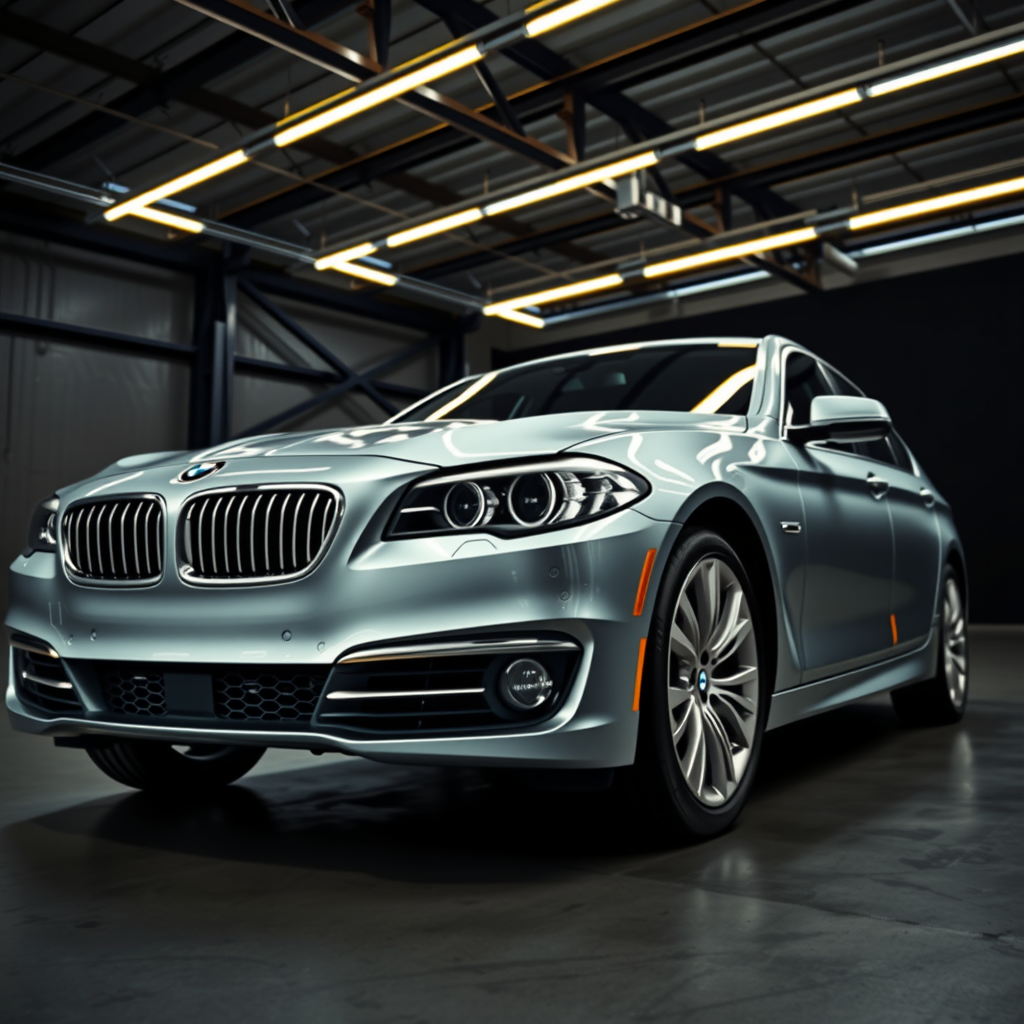
The BMW 5 Series VI LCI (F10/F11) is the sixth generation of this executive car, produced by BMW from January 2010 to 2017. It includes variants such as the F10 sedan, F18 long-wheelbase sedan, F11 Touring wagon, and F07 Gran Turismo fastback/hatchback. The F10 shares a platform with the BMW 7 Series (F01) and 6 Series (F12). This generation introduced features like turbocharged engines, an 8-speed automatic transmission, active rear-wheel steering, electric power steering, double-wishbone front suspension, LCD instrument cluster, and automatic parking. The F18 long-wheelbase version was exclusive to certain markets.
BMW 5 Series wheel fitment
BMW 5 Series wheel fitment for the BMW 5 Series VI LCI (F10/F11) (2013–2017): the factory PCD, centre bore and bolt spec, then the aftermarket width and offset window we fit to.
| Bolt pattern (PCD) | 5x120 |
| Centre bore | 72.6 mm |
| Bolt / thread | M14 x 1.25 (bolts) |
| Wheel-bolt torque | 140 Nm |
| Seat type | tapered |
| Factory setup | staggered |
| TPMS | direct |
| Run-flat | Yes |
Aftermarket wheel sizes — read per position:
| Position | Width | Offset |
|---|---|---|
| Front | 7.5J–9J | ET19–ET49 |
| Rear (staggered) | 9J–10.5J | ET20–ET45 |
As a rule, each extra 1J of width wants roughly +8–10 ET to keep the wheel tucked. The exact offset and any spacer are confirmed by the fit-check.
UK popularity & demand
Based on DfT VEH0124 vehicle-parc data (2025), there are approximately 196,854 BMW 5 Series on UK roads, placing it in the top 2% of car models by volume across our fitment database.
That makes BMW 5 Series wheel fitment a high-demand spec to keep in stock. It is one reason we track it here.
Source: DfT/DVLA licensed-vehicle statistics (VEH0124), matched to the AIWheelTech fitment database.
Engines & drivetrain
| Variant | Engine | Fuel | Power | Drive |
|---|---|---|---|---|
| M5 (F10) | 4.4L N63 twin-turbo V8 petrol | petrol | 560 hp | xDrive |
| 540i xDrive | 3.0L N55 turbo petrol | petrol | 340 hp | xDrive |
| ActiveHybrid 5 | 3.0L N55 turbo petrol with electric motor | hybrid | 340 hp | RWD |
| 530d xDrive | 3.0L N57 diesel | diesel | 258 hp | xDrive |
| 530 Le | 2.0L N20 turbo petrol with electric motor | phev | 245 hp | RWD |
| 320d | 2.0L B47 turbo diesel | diesel | 190 hp | RWD |
| 320i | 2.0L N20 turbo petrol | petrol | 184 hp | RWD |
Performance
| Variant | Power | 0–62 mph | Top speed |
|---|---|---|---|
| 320d | 190 hp | 7.8 s | 145 mph |
| 320i | 184 hp | 7.4 s | 149 mph |
| 530d xDrive | 258 hp | 5.9 s | 155 mph |
| 540i xDrive | 340 hp | 4.7 s | 155 mph |
| M5 (F10) | 560 hp | 4.3 s | 155 mph |
| ActiveHybrid 5 | 340 hp | 5.7 s | 150 mph |
| 530 Le | 245 hp | 7.4 s | 139 mph |
Dimensions
| Length | 4899 mm |
| Width | 1860 mm |
| Height | 1460 mm |
| Wheelbase | 2968 mm |
| Kerb weight | 1700 kg |
Body styles & production
| Body styles | Saloon (F10), Touring (F11), Gran Turismo (F07), Long wheelbase saloon (F18) |
| Produced | 2013–2017 |
Trim levels
Factory colours
History & notable variants
The sixth generation of the BMW 5 Series was unveiled in Munich on November 23, 2009. It featured a more traditional styling compared to its predecessor, with notable advancements like turbocharged engines and advanced driver assistance systems. The M5 variant introduced a powerful twin-turbo V8 engine and dual-clutch transmission. In February 2017, the G30 generation succeeded it.
Reliability & owner notes
- Pros: Advanced technology features; Turbocharged engines; 8-speed automatic transmission
- Cons: Complexity of hybrid models may be daunting for some users