BMW M5 wheel fitment — IV E60/E61
Overview
The BMW M5 is a high-performance version of the BMW 5 Series automobile developed by BMW's motorsport division, BMW M GmbH. It has been continuously produced in saloon body style since 1984 with occasional gaps in production (1995 to 1998, 2023 to 2024). The first generation was based on the E28 chassis and featured a modified engine from the M1 sports car. Subsequent generations have seen improvements in performance, technology, and design.
BMW M5 wheel fitment
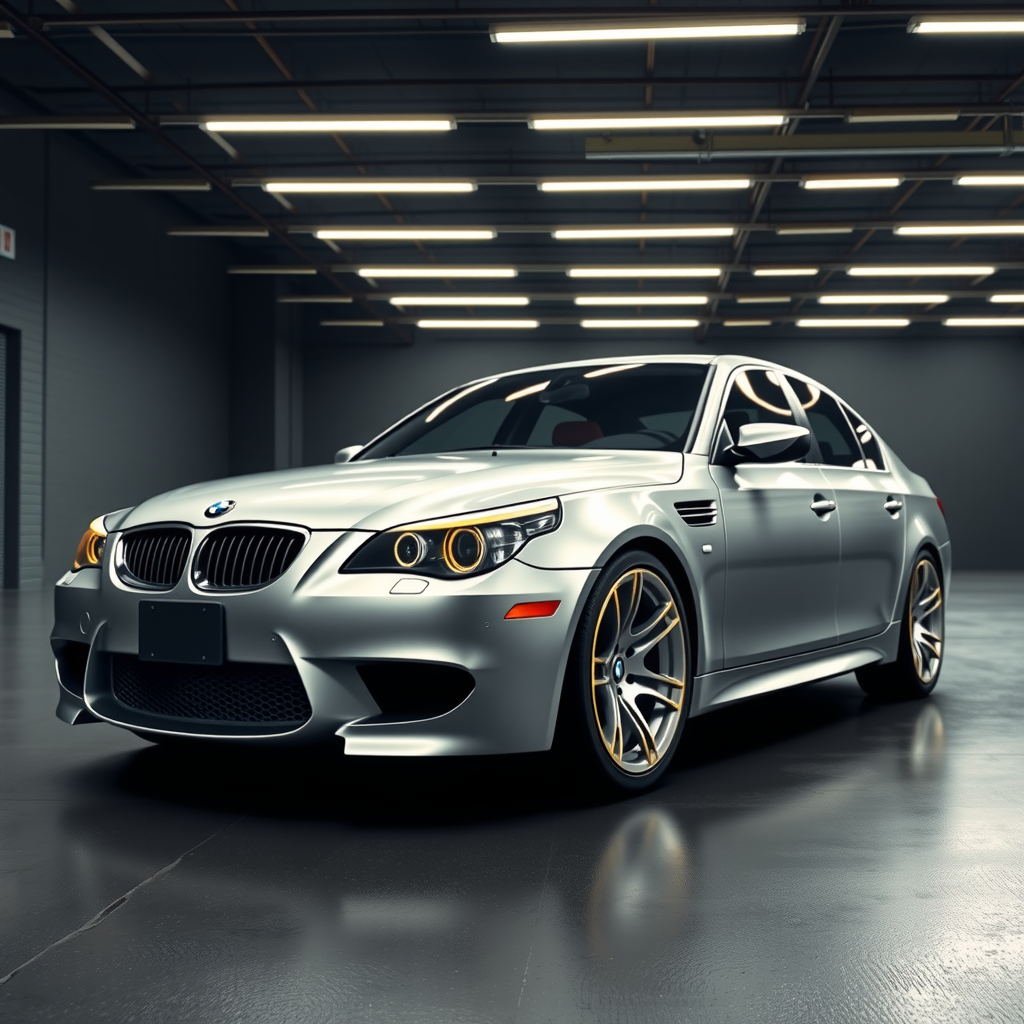
BMW M5 wheel fitment for the BMW M5 IV (E60/E61) (2004–2010): the factory PCD, centre bore and bolt spec, then the aftermarket width and offset window we fit to.
| Bolt pattern (PCD) | 5x120 |
| Centre bore | 72.6 mm |
| Bolt / thread | M12 x 1.5 (bolts) |
| Wheel-bolt torque | 120 Nm |
| Seat type | tapered |
| Factory setup | square |
| TPMS | none |
| Run-flat | Yes |
Aftermarket wheel sizes — read per position:
| Position | Width | Offset |
|---|---|---|
| Front | 8J–9.5J | ET5–ET27 |
As a rule, each extra 1J of width wants roughly +8–10 ET to keep the wheel tucked. The exact offset and any spacer are confirmed by the fit-check.
UK popularity & demand
Based on DfT VEH0124 vehicle-parc data (2025), there are approximately 6,002 BMW M5 on UK roads, placing it in the top 17% of car models by volume across our fitment database.
That makes BMW M5 wheel fitment a high-demand spec to keep in stock. It is one reason we track it here.
Source: DfT/DVLA licensed-vehicle statistics (VEH0124), matched to the AIWheelTech fitment database.
Engines & drivetrain
| Variant | Engine | Fuel | Power | Drive |
|---|---|---|---|---|
| S38B35 | 3.5L straight-six engine | petrol | 256 hp | RWD |
| S38B38 | 3.8L straight-six engine | petrol | 250 hp | RWD |
| S38B36 | 3.6L straight-six engine | petrol | 232 hp | RWD |
Performance
| Variant | Power | 0–62 mph | Top speed |
|---|---|---|---|
| S38B35 | 256 hp | 4.9 s | 140 mph |
| S38B36 | 232 hp | 6.3 s | 155 mph |
| S38B38 | 250 hp | 5.9 s | 155 mph |
Body styles & production
| Body styles | Saloon |
| Produced | 2004–2010 |
Trim levels
Factory colours
History & notable variants
The E60/E61 generation of BMW M5 is part of the F10/F11 series but falls under the IV (E60/E61) classification for this specific data extraction task. Notable developments include the transition from front-engine, rear-wheel-drive to all-wheel-drive in 2017 and significant performance enhancements with each generation.
Reliability & owner notes
- Pros: High-performance capabilities, luxurious interior, advanced technology features
- Cons: Expensive maintenance costs, high fuel consumption in performance mode
- Common issues: None specified for this generation