
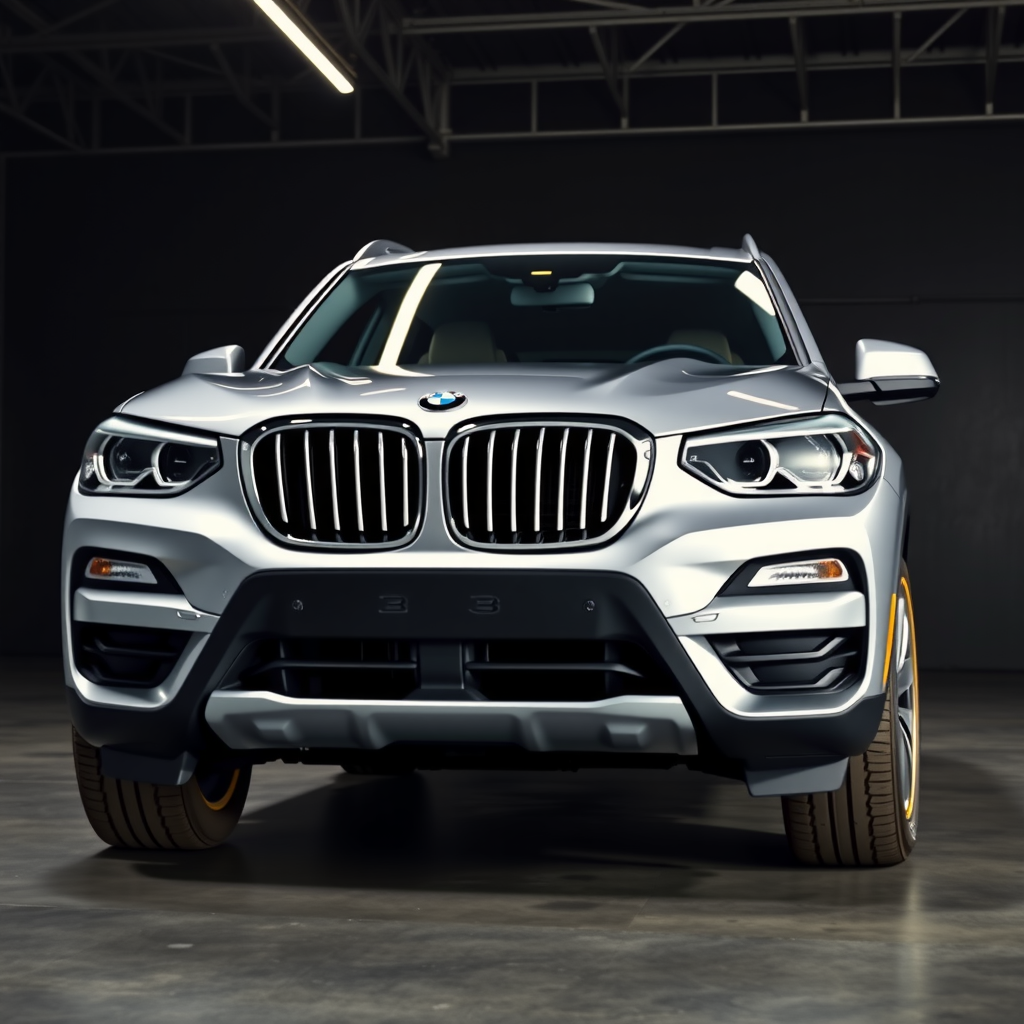
BMW X3 wheel fitment — II F25 Facelift
BMW X3 wheel fitment
BMW X3 wheel fitment for the BMW X3 II (F25) Facelift (2014–2017): the factory PCD, centre bore and bolt spec, then the aftermarket width and offset window we fit to.
| Bolt pattern (PCD) | 5x120 |
| Centre bore | 72.6 mm |
| Bolt / thread | M14 x 1.25 (bolts) |
| Wheel-bolt torque | 140 Nm |
| Seat type | tapered |
| Factory setup | staggered |
| TPMS | direct |
| Run-flat | Yes |
Aftermarket wheel sizes — read per position:
| Position | Width | Offset |
|---|---|---|
| Front | 8J–9.5J | ET27–ET48 |
| Rear (staggered) | 9J–10.5J | ET29–ET50 |
Width and offset move together: roughly 8 to 10 ET more for every extra 1J keeps the wheel inside the arch. Final offset and any spacer come from the fit-check.
UK popularity & demand
Based on DfT VEH0124 vehicle-parc data (2025), there are approximately 123,411 BMW X3 on UK roads, placing it in the top 3% of car models by volume across our fitment database.
A parc that size is why BMW X3 wheel fitment is worth getting exactly right: a lot of owners are shopping for these numbers.
Source: DfT/DVLA licensed-vehicle statistics (VEH0124), matched to the AIWheelTech fitment database.
Overview
The second-generation BMW X3 F25 was unveiled in 2010 at the Paris Motor Show. It marked a shift from Magna Steyr's Austrian plant to BMW’s Spartanburg, South Carolina facility for production. The F25 is based on an updated version of the BMW 3 Series platform and features all-wheel drive (xDrive) as standard across its range. This generation introduced more compact dimensions compared to its predecessor while retaining a premium SUV feel. It was available with both petrol and diesel engines, including turbocharged options for enhanced performance.
Dimensions
| Length | 4,648 mm |
| Width | 1,881 mm |
| Height | 1,661 mm |
| Wheelbase | 2,810 mm |
| Kerb weight | 1,735 to 1,990 kg |
Source: BMW F25, de.wikipedia.org; EU type-approval data (EEA).
Body styles & production
| Body styles | Kombi |
| Produced | 2014–2017 |
Engines & drivetrain
| Variant | Engine | Fuel | Power | Drive, years |
|---|---|---|---|---|
| sDrive20i | N20B20, 1,997 cc | petrol | 135 kW (184 PS) | RWD, 2014 to 2016 |
| xDrive20i | N20B20, 1,997 cc | petrol | 135 kW (184 PS) | xDrive, 2011 to 2017 |
| xDrive28i | N20B20, 1,997 cc | petrol | 180 kW (245 PS) | xDrive, 2012 to 2017 |
| xDrive28i | N52B30, 2,996 cc | petrol | 190 kW (258 PS) | xDrive, 2010 to 2012 |
| xDrive35i | N55B30, 2,979 cc | petrol | 225 kW (306 PS) | xDrive, 2010 to 2017 |
| sDrive18d | N47D20, 1,995 cc | diesel | 105 kW (143 PS) | RWD, 2012 to 2014 |
| sDrive18d | B47D20, 1,995 cc | diesel | 110 kW (150 PS) | RWD, 2014 to 2017 |
| xDrive20d | N47D20, 1,995 cc | diesel | 135 kW (184 PS) | xDrive, 2010 to 2014 |
| xDrive20d | B47D20, 1,995 cc | diesel | 140 kW (190 PS) | xDrive, 2014 to present |
| xDrive30d | N57D30, 2,993 cc | diesel | 190 kW (258 PS) | xDrive, 2011 to 2017 |
| xDrive35d | N57D30, 2,993 cc | diesel | 230 kW (313 PS) | xDrive, 2011 to 2017 |
Source: BMW F25, de.wikipedia.org.
Trim levels
Factory colours
History & notable variants
The F25 received an LCI facelift in 2014, introducing new exterior styling elements such as modified headlights, grille design, bumpers, and mirrors. The interior saw updates like a high-gloss black centre console and new upholstery designs. This generation was also notable for the introduction of rear-wheel drive (sDrive) models in some markets, marking a departure from BMW's traditional all-wheel-drive focus for this model.
Reliability & owner notes
- Pros: All-wheel drive as standard; updated interior and exterior design; improved fuel efficiency
- Cons: Limited rear-seat space; higher pricing compared to some competitors
- Common issues: None reported