BMW X5 wheel fitment — I E53
Overview
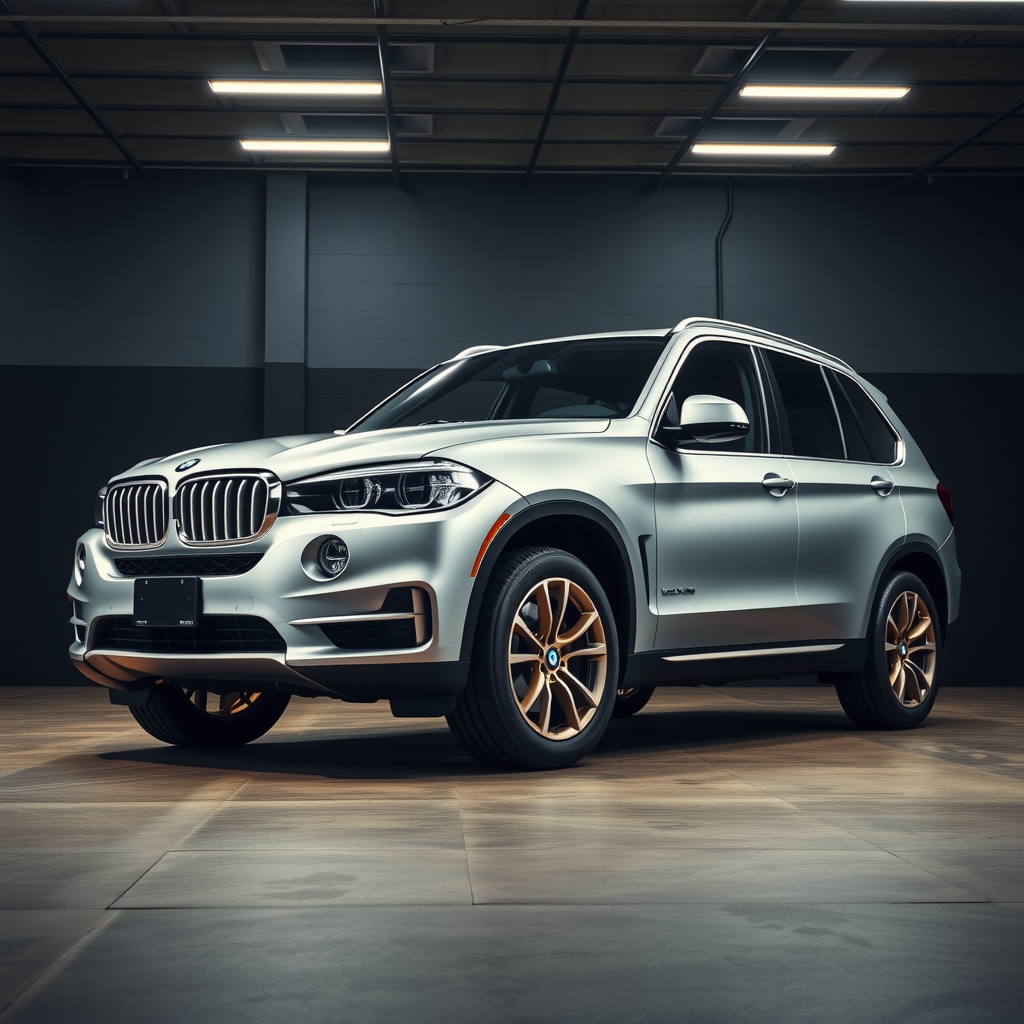
The BMW E53 is the first generation BMW X5 mid-size luxury crossover SUV. Produced between 1999 and 2006 at BMW's plants in Greer, South Carolina, and Toluca, Mexico, it was the company’s first-ever SUV. The vehicle shares components with both the Range Rover L322 and the E39 5 Series, featuring advanced technology like hill descent control from Land Rover and engines/electronics from the BMW 5 Series.
BMW X5 wheel fitment
Start with the hub. The BMW X5 I (E53) spec table gives the bolt pattern and bore; the second table is the aftermarket window for BMW X5 wheel fitment.
| Bolt pattern (PCD) | 5x120 |
| Centre bore | 72.6 mm |
| Bolt / thread | M14 x 1.5 (bolts) |
| Wheel-bolt torque | 140 Nm |
| Seat type | tapered |
| Factory setup | staggered |
| TPMS | none |
Aftermarket wheel sizes — read per position:
| Position | Width | Offset |
|---|---|---|
| Front | 8.5J–10J | ET9–ET45 |
| Rear (staggered) | 10J–11.5J | ET27–ET50 |
Width and offset move together: roughly 8 to 10 ET more for every extra 1J keeps the wheel inside the arch. Final offset and any spacer come from the fit-check.
UK popularity & demand
Based on DfT VEH0124 vehicle-parc data (2025), there are approximately 105,319 BMW X5 on UK roads, placing it in the top 4% of car models by volume across our fitment database.
A parc that size is why BMW X5 wheel fitment is worth getting exactly right: a lot of owners are shopping for these numbers.
Source: DfT/DVLA licensed-vehicle statistics (VEH0124), matched to the AIWheelTech fitment database.
Engines & drivetrain
| Variant | Engine | Fuel | Power | Drive, years |
|---|---|---|---|---|
| 3.0i | 2,979 cc, M54B30 | 170 kW (231 PS) | 2000 to 2006 | |
| 4.4i | 4,398 cc, M62B44TÜ | 210 kW (286 PS) | 2000 to 2003 | |
| 4.4i | 4,398 cc, N62B44 | 235 kW (320 PS) | 2003 to 2006 | |
| 4.6is | 4,619 cc, M62B46 | 255 kW (347 PS) | 2002 to 2003 | |
| 4.8is | 4,799 cc, N62B48 | 265 kW (360 PS) | 2004 to 2006 | |
| 3.0d | 2,926 cc, M57D30 | 135 kW (184 PS) | 2001 to 2003 | |
| 3.0d | 2,993 cc, M57D30TÜ | 160 kW (218 PS) | 2003 to 2006 |
Source: BMW E53, de.wikipedia.org.
Performance
| Variant | Power | 0 to 62 mph (0 to 100 km/h) | Top speed |
|---|---|---|---|
| 3.0i | 170 kW (231 PS) | 8.5 s | 202 to 215 km/h (126 to 134 mph) |
| 4.4i | 210 kW (286 PS) | 7.5 s | 206 to 230 km/h (128 to 143 mph) |
| 4.4i | 235 kW (320 PS) | 7 s | 210 to 240 km/h (130 to 149 mph) |
| 4.6is | 255 kW (347 PS) | 6.5 s | 240 km/h (149 mph) |
| 4.8is | 265 kW (360 PS) | 6.1 s | 246 km/h (153 mph) |
| 3.0d | 135 kW (184 PS) | 10.1 s | 200 km/h (124 mph) |
| 3.0d | 160 kW (218 PS) | 8.3 s | 210 km/h (130 mph) |
Source: BMW E53, de.wikipedia.org.
Dimensions
| Length | 4,667 mm |
| Width | 1,872 to 1,925 mm |
| Height | 1,707 to 1,715 mm |
| Wheelbase | 2,820 mm |
| Kerb weight | 2,070 to 2,275 kg |
Source: BMW E53, de.wikipedia.org.
Body styles & production
| Body styles | Kombi |
| Produced | 1999–2006 |
| Units produced | 467,995 |
Trim levels
Factory colours
History & notable variants
Development began in 1994 after BMW acquired Land Rover, influencing its design. The X5 was designed as a sporting road car with less off-road capability than Land Rover models. Notable for being referred to as an SAV (Sports Activity Vehicle) rather than SUV, it featured a unique all-wheel drive system routing 62% of torque to the rear wheels. A facelift in 2003 introduced new styling and xDrive technology.
Reliability & owner notes
- Pros: Innovative SUV design, advanced technology integration, strong performance variants
- Cons: Limited off-road capability compared to Land Rover models, high production costs