
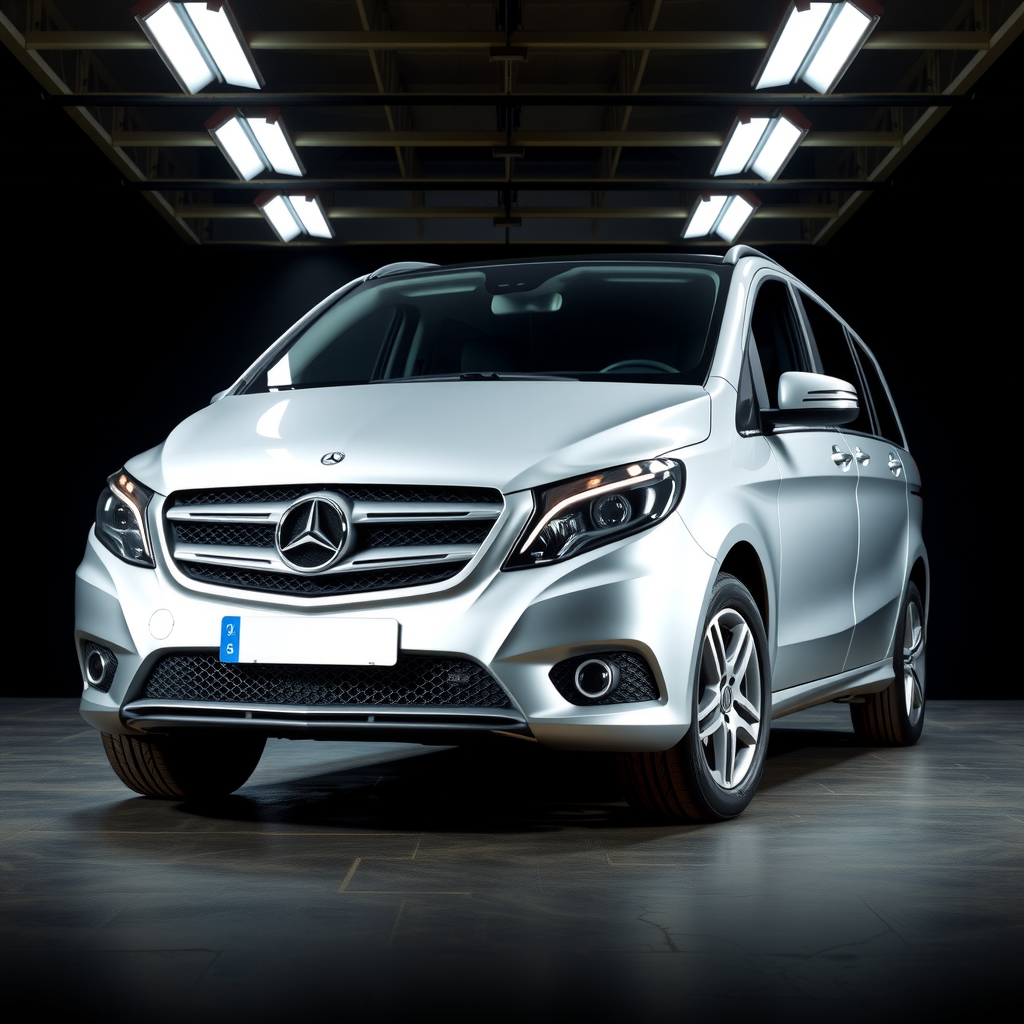
Mercedes B-Class wheel fitment — 246, 245G Inc Facelift
Mercedes B-Class wheel fitment
Mercedes B-Class wheel fitment comes down to two things: the factory hub spec, and how far the aftermarket width and offset can move from it. Both are here for the Mercedes B-Class 246, 245G Inc Facelift (2011–2018).
| Bolt pattern (PCD) | 5x112 |
| Centre bore | 66.6 mm |
| Bolt / thread | M14x1.5 (bolts) |
| Wheel-bolt torque | 130 Nm |
| Seat type | radius |
| Factory setup | square |
| TPMS | direct |
| Run-flat | Yes |
Aftermarket wheel sizes — read per position:
| Position | Width | Offset |
|---|---|---|
| Front | 6.5J–8.5J | ET34–ET53 |
As a rule, each extra 1J of width wants roughly +8 to 10 ET to keep the wheel tucked. The exact offset and any spacer are confirmed by the fit-check.
Overview
The Mercedes-Benz B-Class is a subcompact executive car manufactured since 2005, based on the A-Class with larger dimensions classified as a small MPV by Euro NCAP. The first generation (W245) was introduced in early 2005 and produced until 2011. It featured front-wheel drive, sandwich floor construction, parabolic rear suspension, and passive safety systems including ESP, ABS, traction control, cornering lights, active lighting system, and headlamp assist.
History & notable variants
The first generation was updated in 2008 with a start-stop system and BlueEFFICIENCY option. A new NGT variant capable of burning petrol or natural gas was introduced. In 2011, the B-Class participated in a world tour as part of Mercedes-Benz's F-Cell project.
Dimensions
| Kerb weight | 1,395 to 1,725 kg |
Source: EU type-approval data (EEA).
Body styles & production
| Produced | 2011–2018 |
Trim levels
Factory colours
Reliability & owner notes
- Pros: Passive safety systems, large interior volume, front-wheel drive
- Cons: Not available in the United States due to pricing issues
- Common issues: No specific reliability issues mentioned