
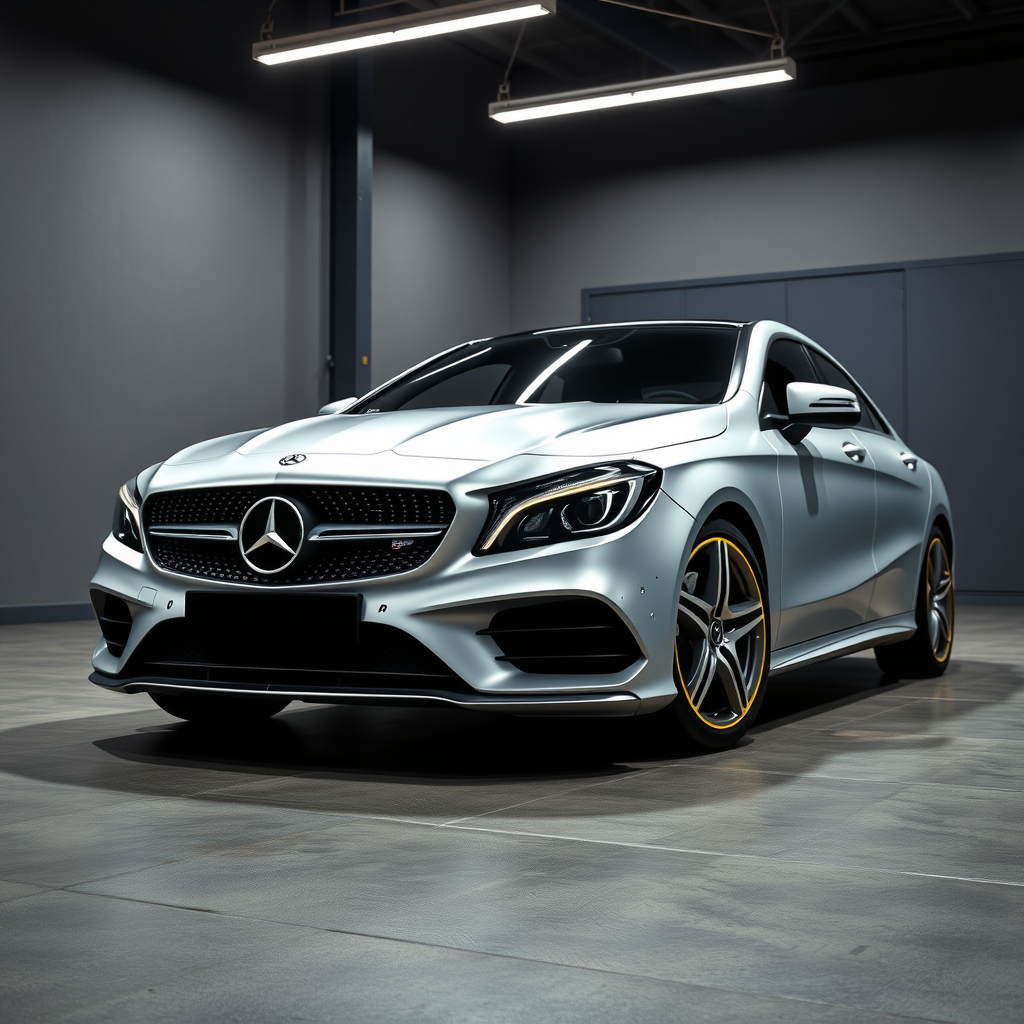
Mercedes C Class wheel fitment — Sportcoupé
Mercedes C Class wheel fitment
Mercedes C Class wheel fitment comes down to two things: the factory hub spec, and how far the aftermarket width and offset can move from it. Both are here for the Mercedes C Class Sportcoupé (2000–2007).
| Bolt pattern (PCD) | 5x112 |
| Centre bore | 66.6 mm |
| Bolt / thread | M12x1.5 (bolts) |
| Wheel-bolt torque | 110 Nm |
| Seat type | radius |
| Factory setup | staggered |
| TPMS | direct |
| Run-flat | Yes |
Aftermarket wheel sizes — read per position:
| Position | Width | Offset |
|---|---|---|
| Front | 6.5J–8J | ET-24–ET38 |
| Rear (staggered) | 8J–11J | ET-16–ET37 |
Go wider and the offset has to rise with it, about 8 to 10 ET per extra 1J, or the wheel pokes past the arch. The fit-check settles the exact offset and any spacer.
Overview
The Mercedes-Benz C Class Sportcoupé is part of the second generation W203 series, introduced in March 2000 with production beginning in March 1999. It was initially available as a fastback coupé variant and later renamed to CLC-Class. The model featured inline-four and V6 petrol engines alongside inline-four and -five diesel options, with common rail direct fuel injection and variable geometry turbochargers for the diesels. Production of this Sportcoupé ceased in 2011 when it was replaced by a new W204 C-Class coupé.
UK popularity & demand
Based on DfT VEH0124 vehicle-parc data (2025), there are approximately 340,482 Mercedes C Class on UK roads, placing it in the top 1% of car models by volume across our fitment database.
That makes Mercedes C Class wheel fitment a high-demand spec to keep in stock. It is one reason we track it here.
Source: DfT/DVLA licensed-vehicle statistics (VEH0124), matched to the AIWheelTech fitment database.
History & notable variants
The second generation C Class (W203) introduced several notable changes including an extended range of engine options and improved fuel injection technology for diesel variants. The Sportcoupé variant, which debuted as part of this series, offered a sleek fastback design that was popular among enthusiasts but ceased production in 2011.
Body styles & production
| Produced | 2000–2007 |
Trim levels
Factory colours
Reliability & owner notes
- Pros: Stylish fastback design; range of engine options
- Cons: Limited production run; no specific performance data available
- Common issues: No documented reliability issues mentioned