
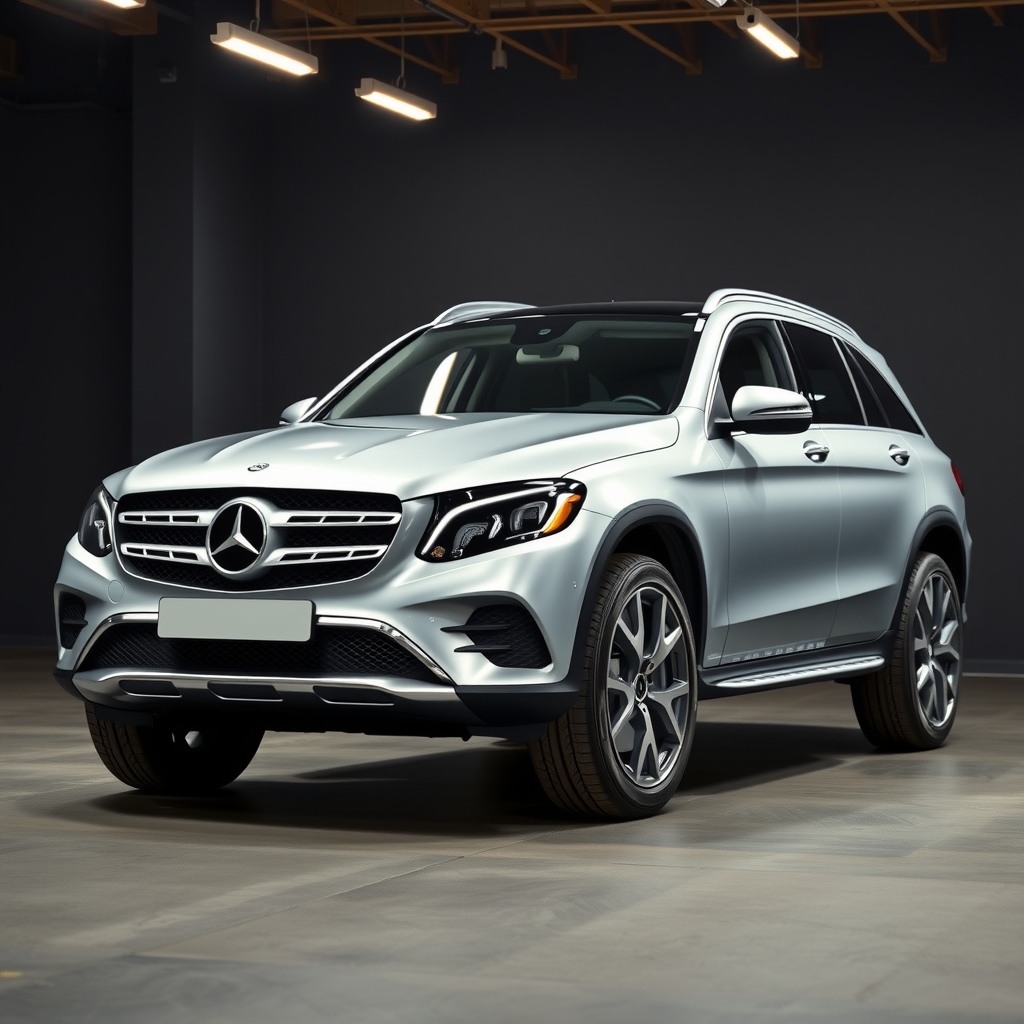
Mercedes C Class wheel fitment — C205 All-Terrain R2CS
Mercedes C Class wheel fitment
Mercedes C Class wheel fitment comes down to two things: the factory hub spec, and how far the aftermarket width and offset can move from it. Both are here for the Mercedes C205 All-Terrain R2CS (2022–2026).
| Bolt pattern (PCD) | 5x112 |
| Centre bore | 66.6 mm |
| Bolt / thread | M14x1.5 (bolts) |
| Wheel-bolt torque | 130 Nm |
| Seat type | radius |
| Factory setup | square |
| TPMS | direct |
| Run-flat | Yes |
Aftermarket wheel sizes — read per position:
| Position | Width | Offset |
|---|---|---|
| Front | 7.5J–9J | ET25–ET45 |
Go wider and the offset has to rise with it, about 8 to 10 ET per extra 1J, or the wheel pokes past the arch. The fit-check settles the exact offset and any spacer.
Overview
The Mercedes-Benz C-Class is a series of compact executive cars produced by Mercedes-Benz Group AG, introduced in 1993 as a replacement for the W201 range. The current generation, known as the W206, was launched in 2021 and includes sedan, station wagon (estate), coupe, and cabriolet body styles. It features an advanced chassis with extensive use of aluminum and high-strength steel, resulting in significant weight reduction compared to its predecessor. The C-Class All-Terrain variant is a crossover-inspired estate model designed for off-road driving.
UK popularity & demand
Based on DfT VEH0124 vehicle-parc data (2025), there are approximately 340,482 Mercedes C Class on UK roads, placing it in the top 1% of car models by volume across our fitment database.
That makes Mercedes C Class wheel fitment a high-demand spec to keep in stock. It is one reason we track it here.
Source: DfT/DVLA licensed-vehicle statistics (VEH0124), matched to the AIWheelTech fitment database.
History & notable variants
The W206 generation was unveiled on 23 February 2021 and includes the introduction of four-cylinder engines with an integrated starter generator and a 48-volt electrical system. The C-Class All-Terrain (X206) variant, released as part of this generation, features body cladding, increased ride height, all-wheel drive, and additional driving modes for enhanced off-road capability.
Dimensions
| Kerb weight | 1,690 to 2,120 kg |
Source: EU type-approval data (EEA).
Body styles & production
| Produced | 2022–2026 |
Trim levels
Factory colours
Reliability & owner notes
- Pros: Advanced chassis technology, extensive use of aluminum and high-strength steel for weight reduction, 48-volt electrical system, all-wheel drive options
- Cons: Limited availability of V6 engines in some markets, higher cost compared to competitors
- Common issues: null