Mercedes E Class wheel fitment — E-Class 212
Overview
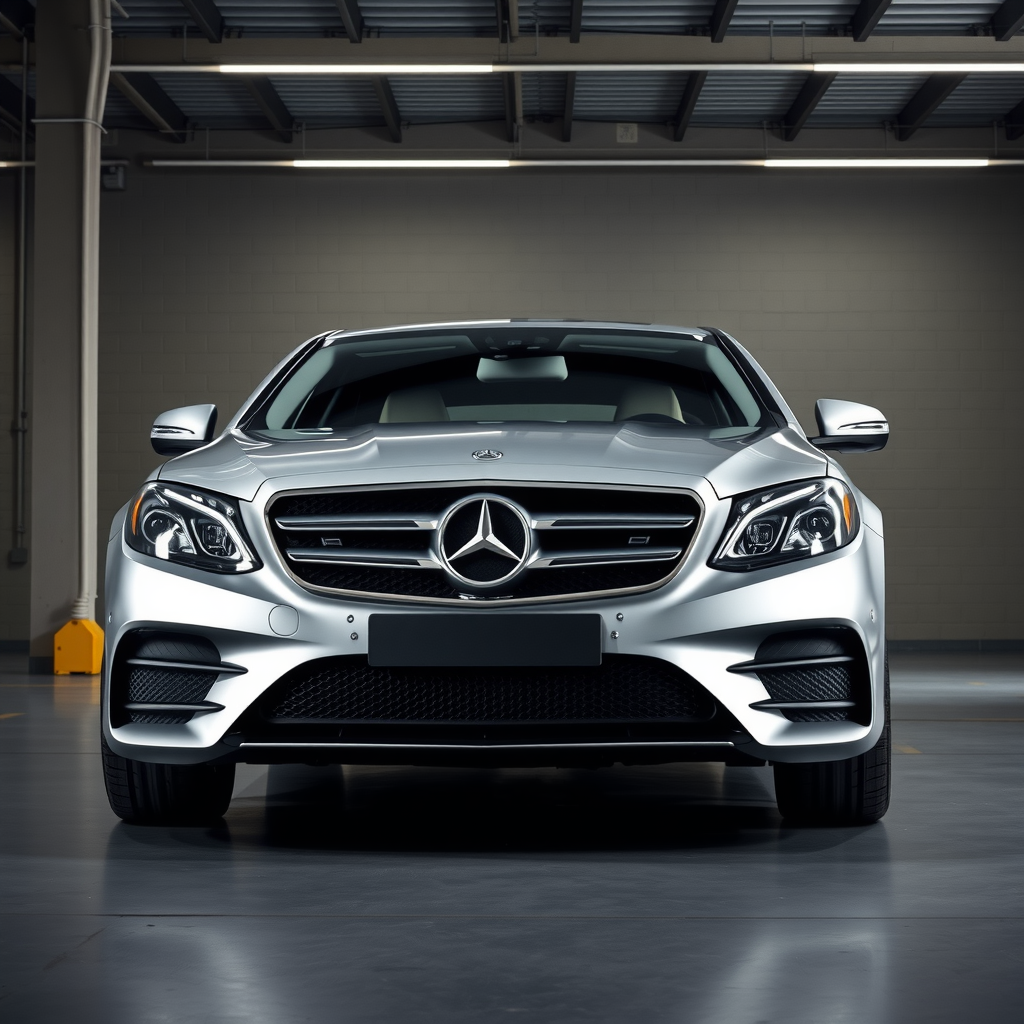
The Mercedes-Benz E-Class W212 generation is a mid-size executive car produced from 2009 to 2013. It succeeded the W211 model and was unveiled at the 2009 Geneva Motor Show. The W212 offered significant technological advancements, including blind spot monitoring, lane keeping assist, Pre-safe with Attention Assist, and Night View Assist Plus. Available in sedan and estate body styles, it featured improved fuel efficiency and updated safety features following a comprehensive facelift in 2013.
Mercedes E Class wheel fitment
Mercedes E Class wheel fitment for the Mercedes E-Class 212 (2009–2016): the factory PCD, centre bore and bolt spec, then the aftermarket width and offset window we fit to.
| Bolt pattern (PCD) | 5x112 |
| Centre bore | 66.6 mm |
| Bolt / thread | M14x1.5 (bolts) |
| Wheel-bolt torque | 130 Nm |
| Seat type | radius |
| Factory setup | staggered |
| TPMS | direct |
| Run-flat | Yes |
Aftermarket wheel sizes — read per position:
| Position | Width | Offset |
|---|---|---|
| Front | 7J–9J | ET29–ET48 |
| Rear (staggered) | 8J–10.5J | ET30–ET54 |
As a rule, each extra 1J of width wants roughly +8–10 ET to keep the wheel tucked. The exact offset and any spacer are confirmed by the fit-check.
UK popularity & demand
Based on DfT VEH0124 vehicle-parc data (2025), there are approximately 210,627 Mercedes E Class on UK roads, placing it in the top 2% of car models by volume across our fitment database.
That makes Mercedes E Class wheel fitment a high-demand spec to keep in stock. It is one reason we track it here.
Source: DfT/DVLA licensed-vehicle statistics (VEH0124), matched to the AIWheelTech fitment database.
Engines & drivetrain
| Variant | Engine | Fuel | Power | Drive |
|---|---|---|---|---|
| E 63 S AMG | 5.5L V8 gasoline with forced induction | petrol | 577 hp | RWD |
| E 63 S AMG 4MATIC | 5.5L V8 gasoline with forced induction | petrol | 577 hp | 4Matic |
| E 63 AMG | 6.2L V8 gasoline with forced induction | petrol | 525 hp | RWD |
| E 63 AMG 4MATIC | 6.2L V8 gasoline with forced induction | petrol | 525 hp | 4Matic |
| E 500 | 4.7L V8 gasoline direct injection | petrol | 390 hp | RWD |
| E 500 4MATIC | 4.7L V8 gasoline direct injection | petrol | 390 hp | 4Matic |
| E 350 CGI | 3.5L V6 gasoline direct injection | petrol | 306 hp | RWD |
| E 400 BlueTEC | 3.0L V6 diesel with SCR system | diesel | 245 hp | RWD |
| E 400 BlueTEC 4MATIC | 3.0L V6 diesel with SCR system | diesel | 245 hp | 4Matic |
| E 250 CGI | 1.8L I4 turbocharged gasoline direct injection | petrol | 204 hp | RWD |
| E 250 CDI | 2.2L I4 turbocharged diesel | diesel | 170 hp | RWD |
| E 250 BlueTEC | 2.2L I4 turbocharged diesel with SCR system | diesel | 170 hp | RWD |
| E 250 BlueTEC 4MATIC | 2.2L I4 turbocharged diesel with SCR system | diesel | 170 hp | 4Matic |
Performance
| Variant | Power | 0–62 mph | Top speed |
|---|---|---|---|
| E 250 CGI | 204 hp | 7.3 s | 149 mph |
| E 250 CDI | 170 hp | 8.3 s | 140 mph |
| E 250 BlueTEC | 170 hp | 8.3 s | 140 mph |
| E 250 BlueTEC 4MATIC | 170 hp | 8.3 s | 140 mph |
| E 350 CGI | 306 hp | 6.1 s | 155 mph |
| E 400 BlueTEC | 245 hp | 7.1 s | 155 mph |
| E 400 BlueTEC 4MATIC | 245 hp | 7.1 s | 155 mph |
| E 500 | 390 hp | 4.7 s | 155 mph |
| E 500 4MATIC | 390 hp | 4.7 s | 155 mph |
| E 63 AMG | 525 hp | 4.3 s | 155 mph |
| E 63 AMG 4MATIC | 525 hp | 4.3 s | 155 mph |
| E 63 S AMG | 577 hp | 4 s | 180 mph |
| E 63 S AMG 4MATIC | 577 hp | 4 s | 180 mph |
Body styles & production
| Body styles | Saloon, Touring (estate) |
| Produced | 2009–2016 |
Trim levels
Factory colours
History & notable variants
The W212 generation of the E-Class was introduced as a replacement for the W211 model. It marked a significant evolution with new direct-injected forced induction engines like the E 200 CGI and E 230 CGI, enhancing performance while improving fuel economy. A notable facelift in 2013 brought substantial styling changes and further advancements in safety technology.
Reliability & owner notes
- Pros: Advanced safety features, improved fuel efficiency, technological advancements
- Cons: No specific cons mentioned in the reference
- Common issues: None documented