
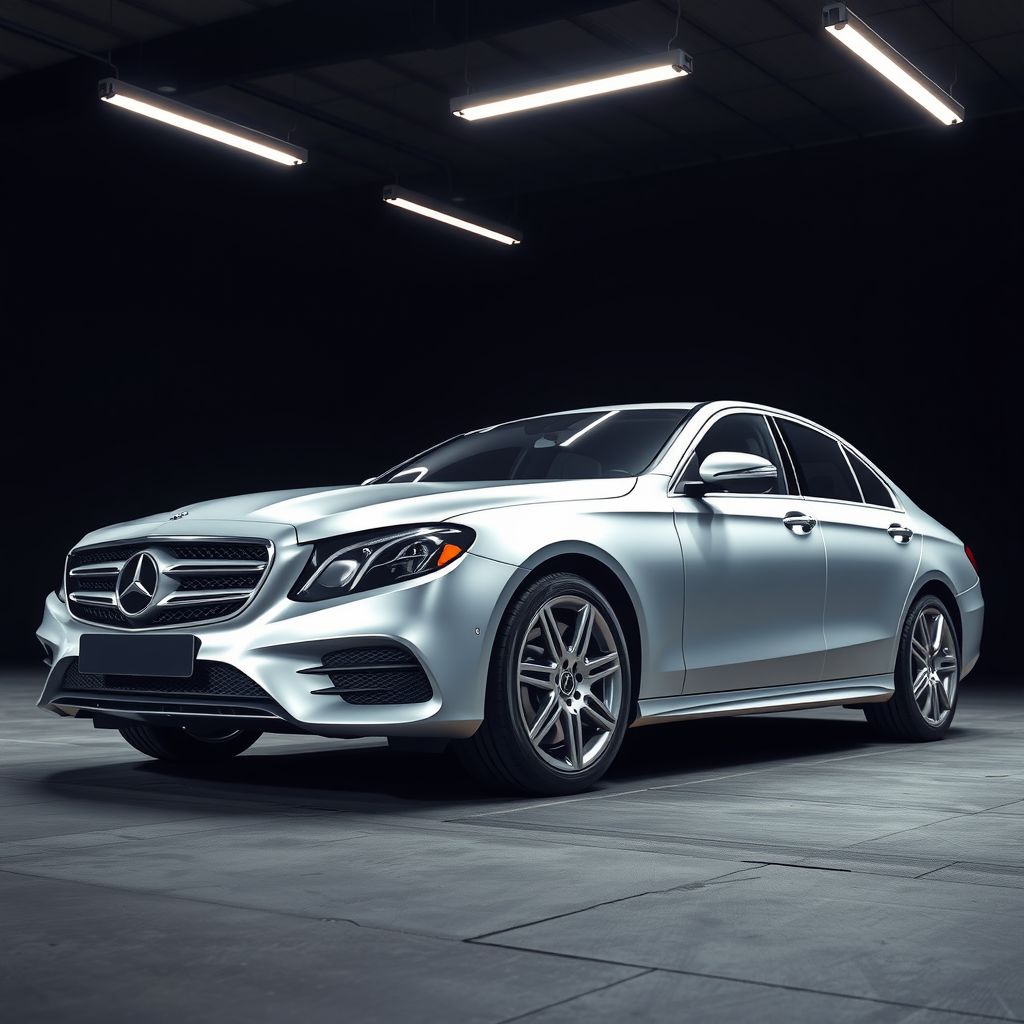
Mercedes E Class wheel fitment — Phev 212
Overview
The Mercedes-Benz E-Class W212 generation is a range of executive cars manufactured by German automaker Mercedes-Benz. Introduced in 2009 as a 2010 model, it replaced the W211 series and was unveiled at the 2009 Geneva Motor Show. The W212 offers both sedan and wagon body styles, featuring advanced safety technologies such as blind spot monitor, Lane Keeping Assist, Pre-safe with Attention Assist, and Night View Assist Plus. It also includes direct injected forced induction engines like the E 200 CGI and E 230 CGI.
Mercedes E Class wheel fitment
Mercedes E Class wheel fitment for the Mercedes E Class Phev 212 (2010–2016): the factory PCD, centre bore and bolt spec, then the aftermarket width and offset window we fit to.
| Bolt pattern (PCD) | 5x112 |
| Centre bore | 66.6 mm |
| Bolt / thread | M14x1.5 (bolts) |
| Seat type | radius |
| Factory setup | staggered |
| TPMS | direct |
| Run-flat | Yes |
Aftermarket wheel sizes — read per position:
| Position | Width | Offset |
|---|---|---|
| Front | 8J–9J | ET20–ET45 |
| Rear (staggered) | 9J–11J | ET25–ET53 |
As a rule, each extra 1J of width wants roughly +8–10 ET to keep the wheel tucked. The exact offset and any spacer are confirmed by the fit-check.
UK popularity & demand
Based on DfT VEH0124 vehicle-parc data (2025), there are approximately 210,627 Mercedes E Class on UK roads, placing it in the top 2% of car models by volume across our fitment database.
That makes Mercedes E Class wheel fitment a high-demand spec to keep in stock. It is one reason we track it here.
Source: DfT/DVLA licensed-vehicle statistics (VEH0124), matched to the AIWheelTech fitment database.
Engines & drivetrain
| Variant | Engine | Fuel | Power | Drive |
|---|---|---|---|---|
| E 400 Hybrid | 3.5L M272 V6 petrol + electric motor | hybrid | 333 hp | RWD |
| E 400 4MATIC Hybrid | 3.5L M272 V6 petrol + electric motor | hybrid | 333 hp | 4Matic |
| E 350 CGI | 3.5L M272 V6 petrol | petrol | 306 hp | RWD |
| E 350 BlueTEC | 3.0L OM647 V6 turbo diesel | diesel | 258 hp | RWD |
| E 300 BlueTEC Hybrid | 3.0L OM647 V6 turbo diesel + electric motor | phev | 255 hp | RWD |
| E 300 BlueTEC Hybrid 4MATIC | 3.0L OM647 V6 turbo diesel + electric motor | phev | 255 hp | 4Matic |
| E 250 CGI | 1.8L M270 turbo petrol | petrol | 204 hp | RWD |
| E 250 BlueTEC | 2.1L OM642 turbo diesel | diesel | 170 hp | RWD |
Performance
| Variant | Power | 0–62 mph | Top speed |
|---|---|---|---|
| E 250 BlueTEC | 170 hp | 8.3 s | 139 mph |
| E 350 BlueTEC | 258 hp | 6.4 s | 155 mph |
| E 250 CGI | 204 hp | 7.3 s | 149 mph |
| E 350 CGI | 306 hp | 5.8 s | 155 mph |
| E 400 Hybrid | 333 hp | 5.8 s | 155 mph |
| E 400 4MATIC Hybrid | 333 hp | 5.8 s | 155 mph |
| E 300 BlueTEC Hybrid | 255 hp | 6.8 s | 155 mph |
| E 300 BlueTEC Hybrid 4MATIC | 255 hp | 6.8 s | 155 mph |
Body styles & production
| Body styles | Saloon, Touring (estate) |
| Produced | 2010–2016 |
Trim levels
Factory colours
History & notable variants
In 2013, the W212 underwent a comprehensive facelift that included significant styling changes, improved fuel economy, and updated safety features. This refresh was one of the most expensive in Mercedes-Benz history, with Daimler investing close to €1 billion into its development.
Reliability & owner notes
- Pros: Advanced safety features, direct injected forced induction engines
- Cons: No specific weaknesses mentioned in the reference
- Common issues: No well-documented reliability issues mentioned