
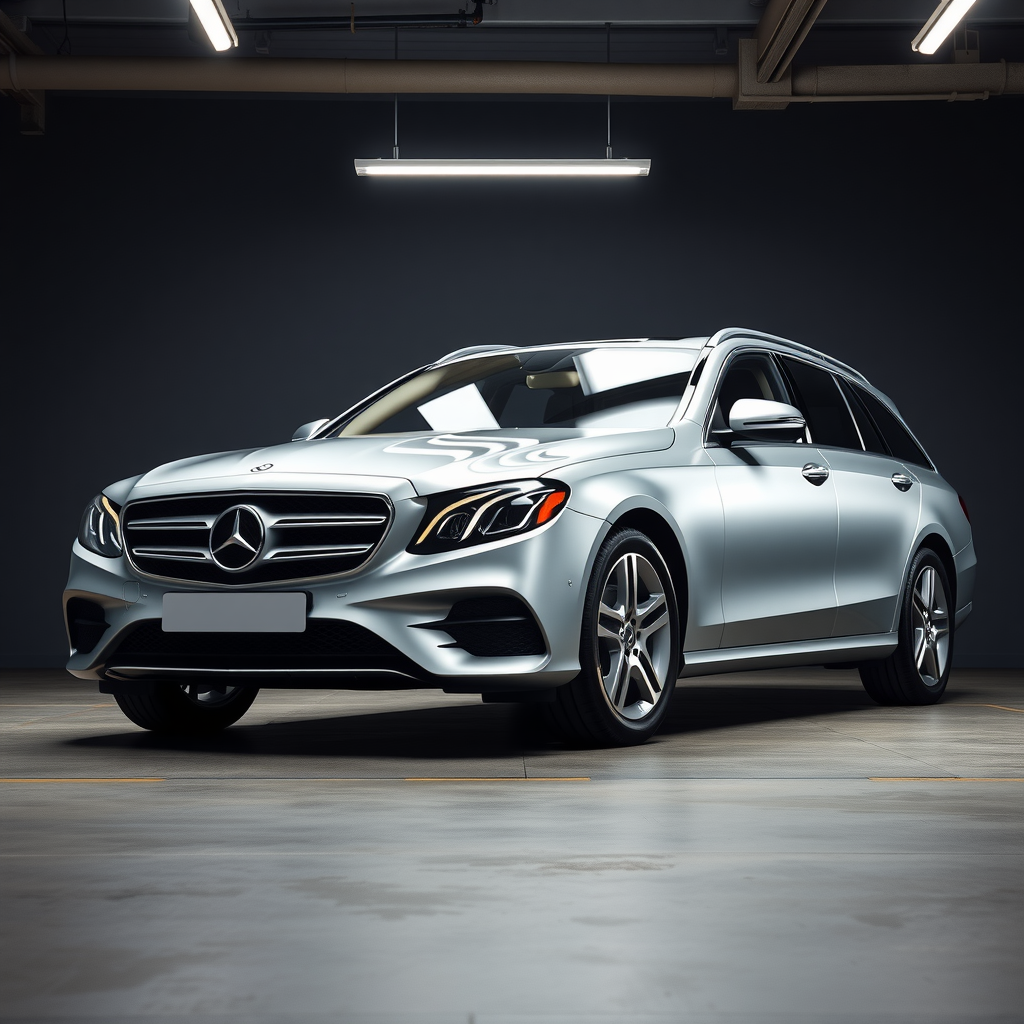
Mercedes E Class wheel fitment — T-Modell 211K
Overview
The Mercedes-Benz E-Class T-Modell 211K is part of the third generation (W211) of the E-Class series. It was launched in 2002, succeeding the W210 model and preceding the W212 generation introduced in 2009. The W211 offered significant improvements over its predecessor, including a more modern design with four large oval headlights aimed at attracting younger buyers and women. This generation also saw the introduction of the C219 CLS-Class as a niche model to appeal to a younger demographic. Production for sedan models ended in 2006 but wagons continued until March 2003 when they were replaced by the S211 wagon.
Mercedes E Class wheel fitment
Mercedes E Class wheel fitment for the Mercedes E Class T-Modell 211K (2003–2009): the factory PCD, centre bore and bolt spec, then the aftermarket width and offset window we fit to.
| Bolt pattern (PCD) | 5x112 |
| Centre bore | 66.6 mm |
| Bolt / thread | M14x1.5 (bolts) |
| Seat type | radius |
| Factory setup | staggered |
| TPMS | direct |
| Run-flat | Yes |
Aftermarket wheel sizes — read per position:
| Position | Width | Offset |
|---|---|---|
| Front | 7.5J–8.5J | ET21–ET42 |
| Rear (staggered) | 8.5J–10.5J | ET20–ET42 |
As a rule, each extra 1J of width wants roughly +8–10 ET to keep the wheel tucked. The exact offset and any spacer are confirmed by the fit-check.
UK popularity & demand
Based on DfT VEH0124 vehicle-parc data (2025), there are approximately 210,627 Mercedes E Class on UK roads, placing it in the top 2% of car models by volume across our fitment database.
That makes Mercedes E Class wheel fitment a high-demand spec to keep in stock. It is one reason we track it here.
Source: DfT/DVLA licensed-vehicle statistics (VEH0124), matched to the AIWheelTech fitment database.
Engines & drivetrain
| Variant | Engine | Fuel | Power | Drive |
|---|---|---|---|---|
| E 55 AMG | 5.5L V8 petrol with direct injection and twin-turbocharger | petrol | 469 hp | 4Matic |
| E 500 CGI | 5.5L V8 petrol with direct injection | petrol | 390 hp | 4Matic |
| E 500 CGI BlueEFFICIENCY | 5.5L V8 petrol with direct injection and cylinder deactivation | petrol | 390 hp | 4Matic |
| E 500 | 5.0L V8 petrol with direct injection | petrol | 388 hp | 4Matic |
| E 350 CGI | 3.5L V6 petrol with direct injection | petrol | 302 hp | 4Matic |
| E 350 CGI BlueEFFICIENCY | 3.5L V6 petrol with direct injection and cylinder deactivation | petrol | 302 hp | 4Matic |
| E 350 BlueTEC | 3.0L V6 diesel with twin-turbocharger | diesel | 249 hp | 4Matic |
| E 300 BlueTEC | 3.0L V6 diesel with twin-turbocharger | diesel | 249 hp | 4Matic |
| E 320 | 3.2L V6 | petrol | 231 hp | 4Matic |
| E 270 CDI | 2.7L V6 diesel | diesel | 197 hp | 4Matic |
Body styles & production
| Body styles | Sedan |
| Produced | 2003–2009 |
Trim levels
Factory colours
History & notable variants
The W211 generation underwent a facelift in June 2006, addressing quality and technical issues from earlier models. This update included dropping Sensotronic technology while making Pre-Safe standard. The largest factory-built engine in this range was the E500, which saw an increase to 5.5 liters in displacement during the facelift.
Reliability & owner notes
- Pros: null
- Cons: null
- Common issues: null