
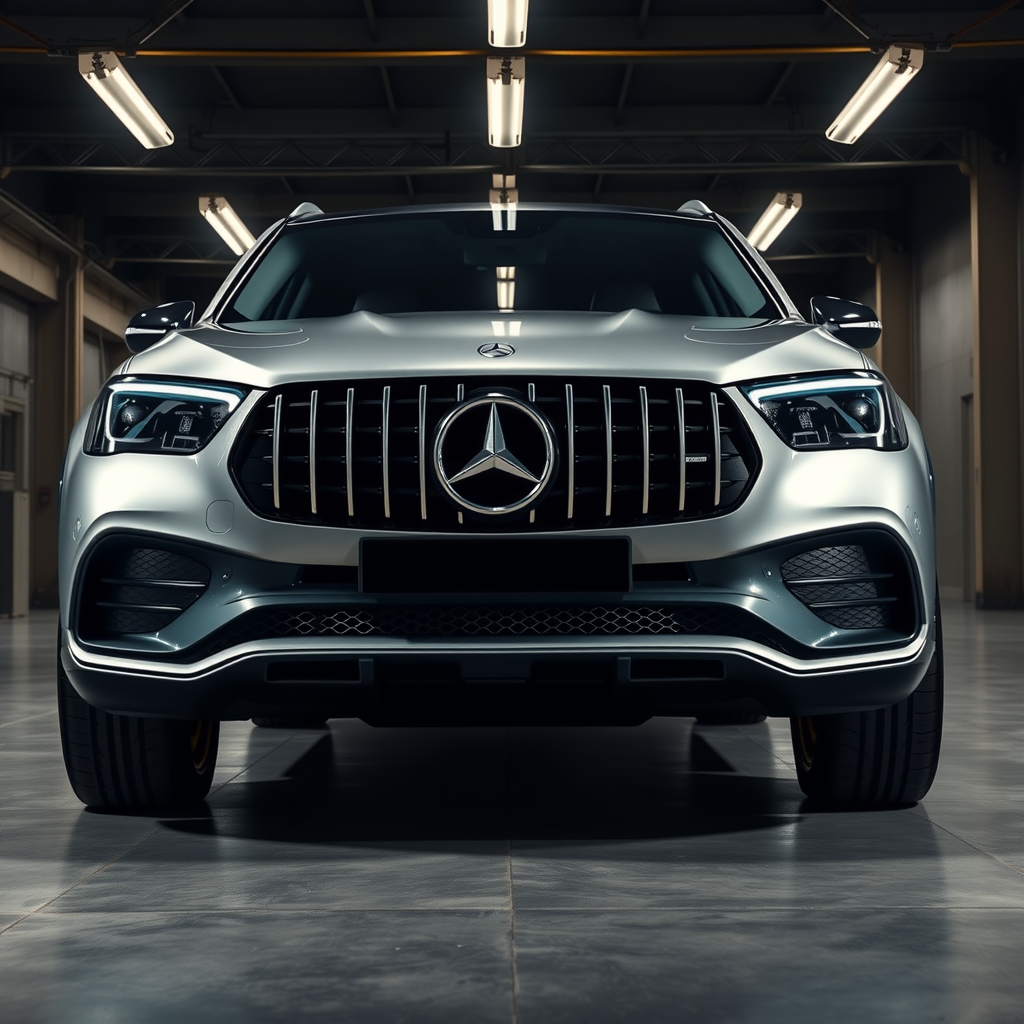
Mercedes EQE AMG wheel fitment — EQE-SUV 43/53 4matic E2EQEX
Overview
The Mercedes-Benz E-Class is a range of executive cars manufactured by German automaker Mercedes-Benz in various engine and body configurations. Produced since September 1953, the E-Class falls as a midrange in the Mercedes line-up, and has been marketed worldwide across five generations.
Mercedes EQE AMG wheel fitment
Mercedes EQE AMG wheel fitment for the Mercedes Amg EQE-SUV 43/53 4matic E2EQEX (2023–2026): the factory PCD, centre bore and bolt spec, then the aftermarket width and offset window we fit to.
| Bolt pattern (PCD) | 5x112 |
| Centre bore | 66.6 mm |
| Bolt / thread | M14x1.5 (bolts) |
| Wheel-bolt torque | 150 Nm |
| Seat type | radius |
| Factory setup | square |
| TPMS | direct |
| Run-flat | Yes |
Aftermarket wheel sizes — read per position:
| Position | Width | Offset |
|---|---|---|
| Front | 9.5J–10.5J | ET27–ET42 |
As a rule, each extra 1J of width wants roughly +8–10 ET to keep the wheel tucked. The exact offset and any spacer are confirmed by the fit-check.
Body styles & production
| Body styles | Sedan, Estate (station wagon), Coupe, Convertible |
| Produced | 2023–2026 |
Trim levels
Factory colours
History & notable variants
Although the E-Class nomenclature was adopted in July 1993 for the second facelift of the Mercedes-Benz W124 as part of the company's wider rebranding programme that allocated all of its products into Classes, the product line of the mid-range cars traces decades before. Officially Mercedes-Benz recognising the importance of pre-WWII cars such as the W15 170, the W21 200 and in particular the Diesel powered W138 260D, retroactively applies the E-Class to 1946 when post WWII production was restarted on the W136 170V model.
Reliability & owner notes
- Pros: Midrange in the Mercedes line-up; marketed worldwide across five generations
- Cons: No specific weaknesses mentioned
- Common issues: No well-documented reliability issues