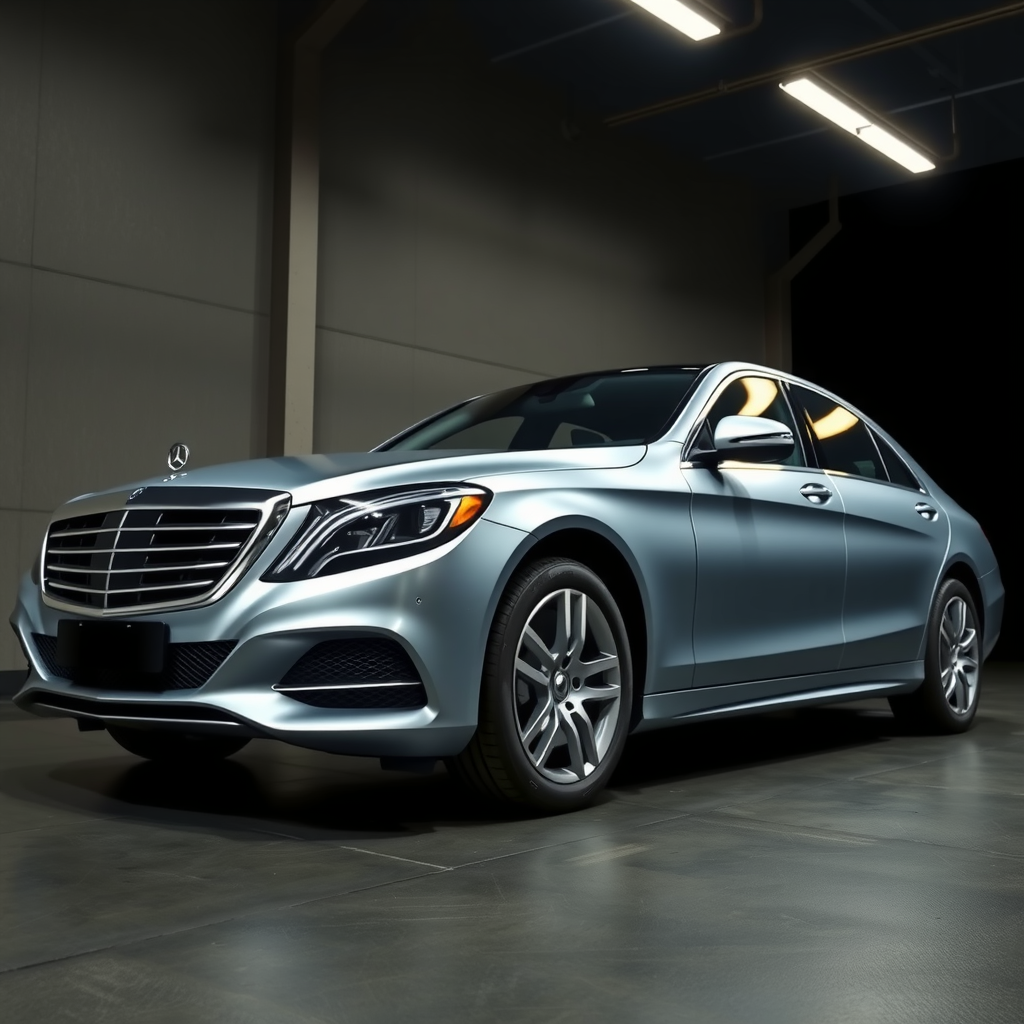
By Torque, AIWheelTech vehicle & fitment specialist · 2005–2013
Mercedes S-Class wheel fitment at a glance — The Mercedes S-Class 221 (2005–2013) uses a 5x112 bolt pattern, 66.6 mm centre bore, M14x1.5 bolts. It accepts ~8J–10J wheels at ET25–ET42 front; staggered setups run 8.5J–11J rear (ET25–ET45).
Overview
The Mercedes-Benz S-Class (W221) is part of a series of full-sized luxury sedans and coupés produced by the German automaker. The W221 generation, however, is not explicitly detailed in the provided REFERENCE text for this specific model year range. Instead, the REFERENCE focuses on earlier generations like the W116 (first officially called S-Class) introduced in 1972 and produced until 1980. This generation marked a significant shift towards safety features and engineering advancements, setting new standards in automotive luxury and passenger protection.
Mercedes S-Class wheel fitment
Mercedes S-Class wheel fitment for the Mercedes S-Class 221 (2005–2013): the factory PCD, centre bore and bolt spec, then the aftermarket width and offset window we fit to.
Bolt pattern (PCD)
5x112
Centre bore
66.6 mm
Bolt / thread
M14x1.5 (bolts)
Seat type
radius
Factory setup
staggered
TPMS
direct
Run-flat
Yes
Aftermarket wheel sizes — read per position:
Position
Width
Offset
Front
8J–10J
ET25–ET42
Rear (staggered)
8.5J–11J
ET25–ET45
As a rule, each extra 1J of width wants roughly +8–10 ET to keep the wheel tucked. The exact offset and any spacer are confirmed by the fit-check.
Admiral BlauAlaska WhiteCaspian Black Chroma FlairBritish Racing Green MetallicPolar WhiteDiamond White TricoatBlackBrilliant Silver Metallic (AXALTA 899708)Cavansite Blue MetallicIridium Silver MetallicPalladium Silver MetallicSelenite Gray MetallicCalcite WhiteObsidian Black MetallicAlabaster WhiteHyacinth Red/Designo Cardinal MetallicGlacier WhiteDiamond Silver MetallicLight Ivory
History & notable variants
The W116 series was groundbreaking for Mercedes-Benz, featuring numerous firsts in car safety such as padded door trim around windows, heavily padded steering wheels (later replaced by airbags), comprehensive dashboard padding, dual asymmetric windshield wipers, headrests designed to protect against rear impacts, and rain-water management systems. It also introduced the first mass production passenger vehicle with a turbocharged diesel engine and was one of the earliest cars available with ABS. The 450SE model won European Car of the Year in 1974.
Reliability & owner notes
Pros: Innovative safety features; pioneering use of ABS and airbags; turbocharged diesel engine
Cons: Not specified in the REFERENCE text
Common issues: Not specified in the REFERENCE text