
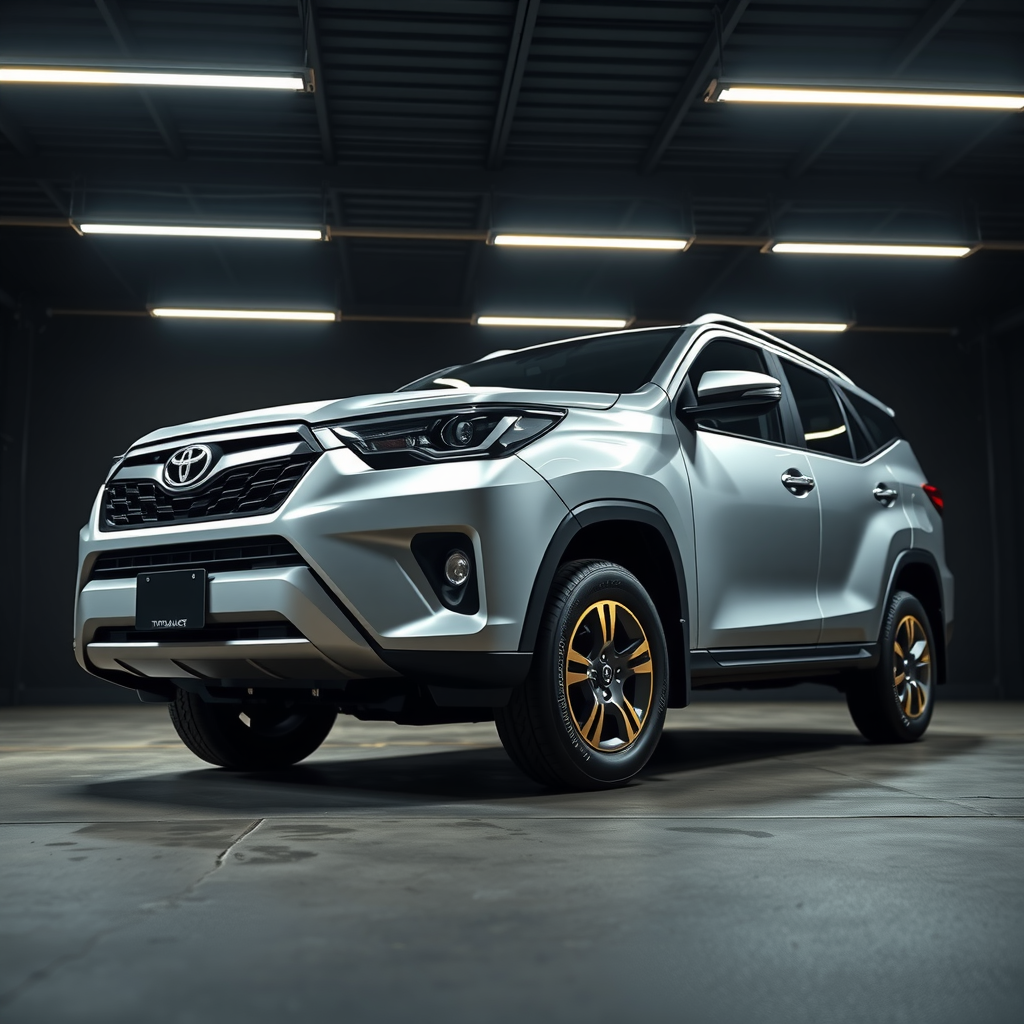
Toyota Urban Cruiser wheel fitment — XP11
Toyota Urban Cruiser wheel fitment
Toyota Urban Cruiser wheel fitment comes down to two things: the factory hub spec, and how far the aftermarket width and offset can move from it. Both are here for the Toyota Urban Cruiser XP11 (2009–2016).
| Bolt pattern (PCD) | 5X100 |
| Centre bore | 54.1 mm |
| Bolt / thread | M12x1.5 (nuts) |
| Seat type | flat |
| Factory setup | square |
| Tyre pressure | Dash Settings |
| Brakes | e11*2001/116*0263*.- 4WD |
| TPMS | none |
Aftermarket wheel sizes — read per position:
| Position | Width | Offset |
|---|---|---|
| Front | 6J–9J | ET25–ET40 |
As a rule, each extra 1J of width wants roughly +8 to 10 ET to keep the wheel tucked. The exact offset and any spacer are confirmed by the fit-check.
Overview
The Toyota Urban Cruiser XP11 is an automobile nameplate used by the Japanese manufacturer Toyota for a subcompact SUV model. It was marketed between 2008 and 2014 as the European version of the second-generation Toyota Ist. This generation marked a shift towards a more urban-friendly design, offering compact dimensions with SUV-like features such as elevated seating position and rugged styling elements. The Urban Cruiser XP11 aimed to cater to city dwellers seeking practicality and style in an affordable package.
UK popularity & demand
Based on DfT VEH0124 vehicle-parc data (2025), there are approximately 3,387 Toyota Urban Cruiser on UK roads, placing it in the top 21% of car models by volume across our fitment database.
With that many on the road, Toyota Urban Cruiser wheel fitment is a spec fitters see constantly. We keep it current for that reason.
Source: DfT/DVLA licensed-vehicle statistics (VEH0124), matched to the AIWheelTech fitment database.
History & notable variants
The XP11 model was introduced in 2008 following the concept car showcased at the 2006 Geneva Motor Show. It underwent a mid-cycle refresh around 2013, introducing minor aesthetic changes but maintaining its core appeal as a practical urban SUV. The model received positive reception for its blend of utility and affordability.
Dimensions
| Kerb weight | 1,195 to 1,350 kg |
Source: EU type-approval data (EEA).
Body styles & production
| Produced | 2009–2016 |
Trim levels
Reliability & owner notes
- Pros: Compact and practical design for urban environments; affordable pricing; SUV-like features such as elevated seating position.
- Cons: Limited performance data available; no specific engine details provided in the reference.