
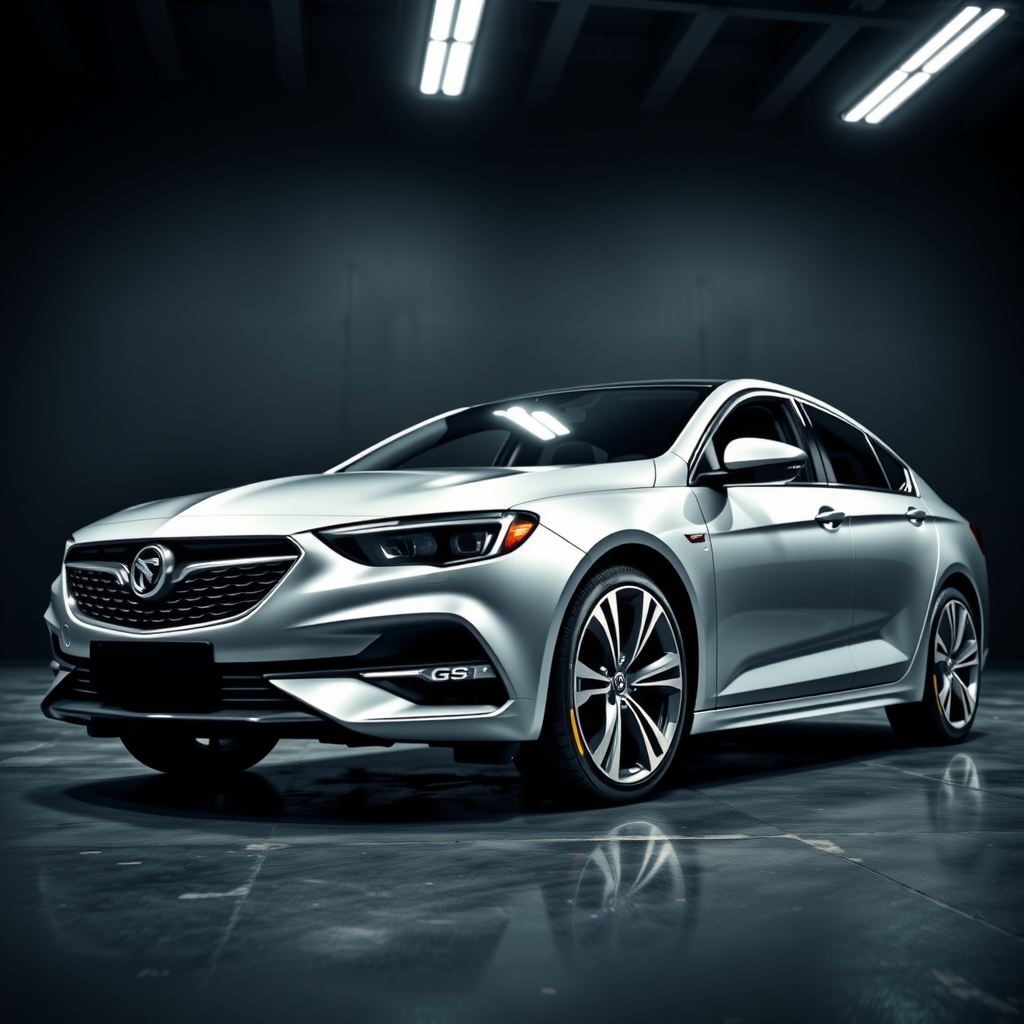
Vauxhall Insignia wheel fitment — Insignia-B Gsi Z-B
Vauxhall Insignia wheel fitment
Vauxhall Insignia wheel fitment for the Vauxhall Insignia-B Gsi Z-B (2017–2020): the factory PCD, centre bore and bolt spec, then the aftermarket width and offset window we fit to.
| Bolt pattern (PCD) | 5x120 |
| Centre bore | 67.1 mm |
| Bolt / thread | M14x1.5 (nuts) |
| Seat type | tapered |
| Factory setup | square |
| TPMS | none |
Aftermarket wheel sizes — read per position:
| Position | Width | Offset |
|---|---|---|
| Front | 8J–9.5J | ET30–ET50 |
As a rule, each extra 1J of width wants roughly +8 to 10 ET to keep the wheel tucked. The exact offset and any spacer are confirmed by the fit-check.
UK popularity & demand
Based on DfT VEH0124 vehicle-parc data (2025), there are approximately 169,665 Vauxhall Insignia on UK roads, placing it in the top 2% of car models by volume across our fitment database.
With that many on the road, Vauxhall Insignia wheel fitment is a spec fitters see constantly. We keep it current for that reason.
Source: DfT/DVLA licensed-vehicle statistics (VEH0124), matched to the AIWheelTech fitment database.
Overview
The second generation Vauxhall Insignia-B GSi Z-B is part of Opel's large family car line, developed on a moderately updated version of the GM Epsilon II platform. It succeeded the first-generation model and was introduced in March 2017 at the Geneva Motor Show. The vehicle is produced by Adam Opel AG Werk Rüsselsheim in Rüsselsheim, Germany. This generation marks a shift from traditional four-door saloon to more modern body styles while retaining its position as Vauxhall's flagship model above the Astra and Corsa.
Dimensions
| Length | 4,897 to 5,004 mm |
| Width | 1,863 to 1,871 mm |
| Height | 1,455 to 1,525 mm |
| Wheelbase | 2,829 mm |
| Kerb weight | 1,441 to 1,733 kg |
Source: Opel Insignia B, de.wikipedia.org; EU type-approval data (EEA).
Body styles & production
| Body styles | 5-door liftback/fastback, 5-door estate |
| Produced | 2017–2020 |
Engines & drivetrain
| Variant | Engine | Fuel | Power | Drive, years |
|---|---|---|---|---|
| 1.5 Turbo | 1,490 cc, B15XFL (LFV) | petrol | 103 kW (140 PS) | FWD, 2017 to 2020 |
| 1.5 Turbo EcoTEC | 1,490 cc, B15XFL (LFV) | petrol | 103 kW (140 PS) | FWD, 2017 to 2018 |
| 1.5 Turbo | 1,490 cc, B15XFT (LFV) | petrol | 121 kW (165 PS) | FWD, 2017 to 2020 |
| 1.5 Turbo EcoTEC | 1,490 cc, B15XFT (LFV) | petrol | 121 kW (165 PS) | FWD, 2017 to 2018 |
| 1.6 Turbo | 1,598 cc, D16SHT (LWC) | petrol | 147 kW (200 PS) | FWD, 2018 to 2019 |
| 2.0 Turbo | 1,998 cc, F20SHT (LSY) | petrol | 125 kW (170 PS) | FWD, 2020 to 2022 |
| 2.0 Turbo | 1,998 cc, F20SHT (LSY) | petrol | 147 kW (200 PS) | FWD, 2020 to 2022 |
| 2.0 Turbo 4x4 GSi | 1,998 cc, F20SHT (LSY) | petrol | 169 kW (230 PS) | AWD, 2020 to 2022 |
| 2.0 Turbo 4×4 | 1,998 cc, B20NFT (LTG) | petrol | 191 kW (260 PS) | AWD, 2017 to 2018 |
| 1.5 Turbo D | 1,496 cc, F15DVH (LXD) | diesel | 90 kW (122 PS) | FWD, 2020 to 2022 |
| 1.6 Turbo D | 1,598 cc, D16DTE (LWQ/LXO) | diesel | 81 kW (110 PS) | FWD, 2017 to 2018 |
| 1.6 EcoTEC D | 1,598 cc, D16DTE (LWQ/LXO) | diesel | 81 kW (110 PS) | FWD, 2017 to 2020 |
| 1.6 Turbo D | 1,598 cc, D16DTH (LVL) | diesel | 100 kW (136 PS) | FWD, 2017 to 2020 |
| 2.0 Turbo D | 1,956 cc, B/D20DTH (LFS) | diesel | 125 kW (170 PS) | FWD, 2017 to 2020 |
| 2.0 Turbo D 4x4 | 1,956 cc, B/D20DTH (LFS) | diesel | 125 kW (170 PS) | AWD, 2017 to 2020 |
| 2.0 Turbo D | 1,995 cc, F20DVH (LSQ) | diesel | 128 kW (174 PS) | FWD, 2020 to 2022 |
| 2.0 Turbo D 4x4 | 1,995 cc, F20DVH (LSQ) | diesel | 128 kW (174 PS) | AWD, 2020 to 2022 |
| 2.0 Turbo D 4x4 GSi | 1,956 cc, D20DTR (LFO) | diesel | 154 kW (210 PS) | AWD, 2017 to 2020 |
Source: Opel Insignia B, de.wikipedia.org.
Performance
| Variant | Power | 0 to 62 mph (0 to 100 km/h) | Top speed |
|---|---|---|---|
| 1.5 Turbo | 103 kW (140 PS) | 9.9 s | 210 km/h (130 mph) |
| 1.5 Turbo EcoTEC | 103 kW (140 PS) | 9.9 s | 213 km/h (132 mph) |
| 1.5 Turbo | 121 kW (165 PS) | 8.9 to 9.4 s | 218 to 222 km/h (135 to 138 mph) |
| 1.5 Turbo EcoTEC | 121 kW (165 PS) | 8.9 s | 225 km/h (140 mph) |
| 1.6 Turbo | 147 kW (200 PS) | 7.7 to 8 s | 232 to 235 km/h (144 to 146 mph) |
| 2.0 Turbo | 125 kW (170 PS) | 8.7 s | 228 km/h (142 mph) |
| 2.0 Turbo | 147 kW (200 PS) | 7.7 s | 235 km/h (146 mph) |
| 2.0 Turbo 4x4 GSi | 169 kW (230 PS) | 7.4 s | 237 km/h (147 mph) |
| 2.0 Turbo 4×4 | 191 kW (260 PS) | 7.3 s | 250 km/h (155 mph) |
| 1.5 Turbo D | 90 kW (122 PS) | 11.4 to 12.2 s | 200 to 205 km/h (124 to 127 mph) |
| 1.6 Turbo D | 81 kW (110 PS) | 11.6 s | 201 km/h (125 mph) |
| 1.6 EcoTEC D | 81 kW (110 PS) | 11.6 to 11.8 s | 205 km/h (127 mph) |
| 1.6 Turbo D | 100 kW (136 PS) | 10.5 to 10.9 s | 203 to 211 km/h (126 to 131 mph) |
| 2.0 Turbo D | 125 kW (170 PS) | 8.7 to 8.9 s | 223 to 226 km/h (139 to 140 mph) |
| 2.0 Turbo D 4x4 | 125 kW (170 PS) | 9.7 s | 223 km/h (139 mph) |
| 2.0 Turbo D | 128 kW (174 PS) | 8 s | 225 to 228 km/h (140 to 142 mph) |
| 2.0 Turbo D 4x4 | 128 kW (174 PS) | 8.9 s | 223 km/h (139 mph) |
| 2.0 Turbo D 4x4 GSi | 154 kW (210 PS) | 7.9 s | 233 km/h (145 mph) |
Source: Opel Insignia B, de.wikipedia.org.
Trim levels
Factory colours
History & notable variants
The second-generation Insignia was officially revealed on 26 June 2017 after being leaked in December 2016. It features design cues from the Opel Monza Concept, marking a departure from previous styling. The performance variant of this generation is badged as GSi, replacing the OPC designation used previously. After PSA Group acquired Opel and later became Stellantis, production continued under license.
Reliability & owner notes
- Pros: Modern design inspired by the Opel Monza Concept; GSi performance variant
- Cons: Limited engine options compared to previous generation