Vauxhall Vivaro wheel fitment — Vivaro-e
Overview
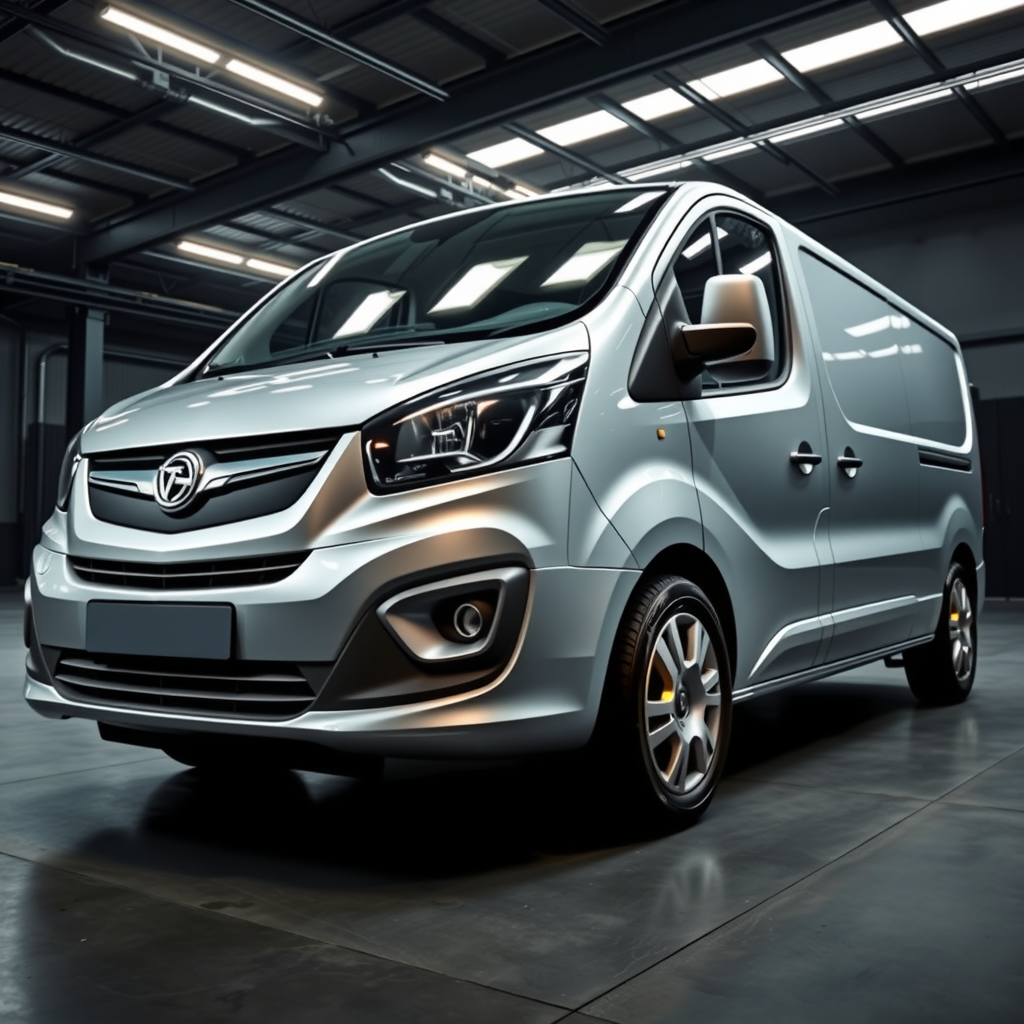
The Vauxhall Vivaro-e represents the latest iteration of the Vauxhall Vivaro series, a light commercial vehicle also sold as the Opel Vivaro. It is based on the third generation Peugeot Expert and has been in production since 2019. The Vivaro-e marks a significant shift towards electrification within its segment, offering an electric variant alongside traditional fuel options. This model continues to be manufactured at Vauxhall's Luton plant in the UK.
Vauxhall Vivaro wheel fitment
Start with the hub. The Vauxhall Vivaro-e spec table gives the bolt pattern and bore; the second table is the aftermarket window for Vauxhall Vivaro wheel fitment.
| Bolt pattern (PCD) | 5x10⁸ |
| Centre bore | 65.1 mm |
| Bolt / thread | M12x1.25 (bolts) |
| Wheel-bolt torque | 110 Nm |
| Seat type | tapered |
| Factory setup | square |
| TPMS | direct |
Aftermarket wheel sizes — read per position:
| Position | Width | Offset |
|---|---|---|
| Front | 6J–9J | ET25–ET47 |
As a rule, each extra 1J of width wants roughly +8 to 10 ET to keep the wheel tucked. The exact offset and any spacer are confirmed by the fit-check.
UK popularity & demand
Based on DfT VEH0124 vehicle-parc data (2025), there are approximately 11,115 Vauxhall Vivaro on UK roads, placing it in the top 14% of car models by volume across our fitment database.
That makes Vauxhall Vivaro wheel fitment a high-demand spec to keep in stock. It is one reason we track it here.
Source: DfT/DVLA licensed-vehicle statistics (VEH0124), matched to the AIWheelTech fitment database.
Body styles & production
| Produced | 2019–2026 |
Trim levels
History & notable variants
The introduction of the Vauxhall Vivaro-e signifies a notable development in the brand’s lineup as it moves into the realm of electric commercial vehicles. There have been no major facelifts or performance variants mentioned for this generation, but its market positioning is aimed at businesses and individuals seeking an environmentally friendly yet practical solution for their transportation needs.
Reliability & owner notes
- Pros: Environmentally friendly; Low running costs
- Cons: Limited range compared to diesel variants