
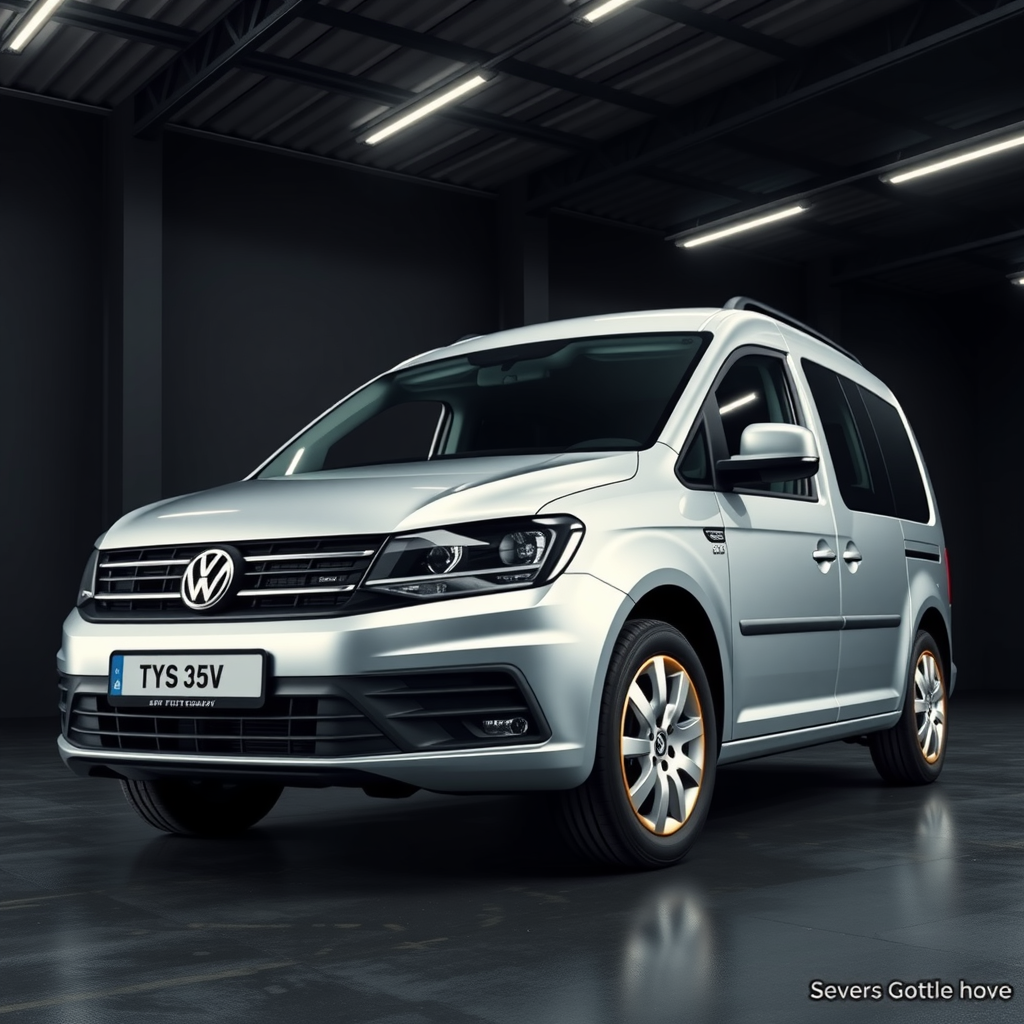
Volkswagen Caddy wheel fitment — V SKN
Volkswagen Caddy wheel fitment
Volkswagen Caddy wheel fitment for the Volkswagen Caddy (V) SKN (2020–2026): the factory PCD, centre bore and bolt spec, then the aftermarket width and offset window we fit to.
| Bolt pattern (PCD) | 5x112 |
| Centre bore | 57.1 mm |
| Bolt / thread | M14x1.5 (bolts) |
| Wheel-bolt torque | 120 Nm |
| Seat type | radius |
| Factory setup | square |
| TPMS | indirect |
Aftermarket wheel sizes — read per position:
| Position | Width | Offset |
|---|---|---|
| Front | 6J–8.5J | ET35–ET50 |
As a rule, each extra 1J of width wants roughly +8 to 10 ET to keep the wheel tucked. The exact offset and any spacer are confirmed by the fit-check.
UK popularity & demand
Based on DfT VEH0124 vehicle-parc data (2025), there are approximately 10,421 Volkswagen Caddy on UK roads, placing it in the top 14% of car models by volume across our fitment database.
With that many on the road, Volkswagen Caddy wheel fitment is a spec fitters see constantly. We keep it current for that reason.
Source: DfT/DVLA licensed-vehicle statistics (VEH0124), matched to the AIWheelTech fitment database.
Overview
The Volkswagen Caddy is a leisure activity vehicle and panel van produced by the German automaker Volkswagen Group since 1979, sold in Europe and other markets around the world. The first generation (Typ 14) was introduced as a coupe utility and van based on the Volkswagen Golf Mk1 platform. It featured petrol and diesel engines and was available with various body styles including panel vans and pick-up trucks. Production of this model continued until 1995 for pickup models, while it remained in production in South Africa until 2007.
Dimensions
| Kerb weight | 1,429 to 1,788 kg |
Source: EU type-approval data (EEA).
Body styles & production
| Produced | 2020–2026 |
Trim levels
Factory colours
History & notable variants
The first generation Caddy (Typ 14) debuted as the Volkswagen Rabbit Pickup in North America from 1978 to 1984 and was introduced in Europe in 1982. It underwent several engine changes over its production run, including a turbodiesel option for markets outside of the US. The model saw significant production in Sarajevo (Yugoslavia) between 1982 and 1992 and also in South Africa from 1981 to 2007.
Reliability & owner notes
- Pros: Fuel-efficient diesel options; versatile body styles
- Cons: Limited passenger space in van configurations; outdated design by the end of its production run
- Common issues: None specified