
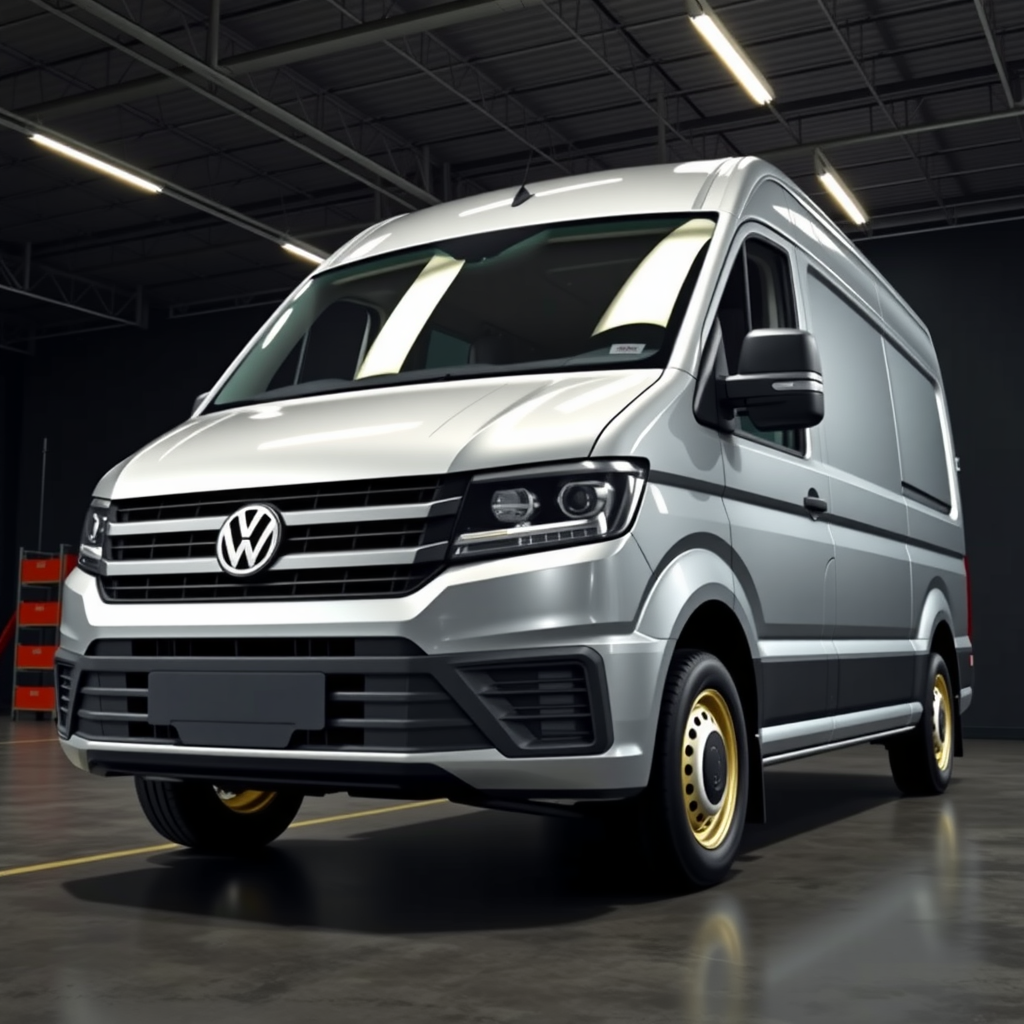
Volkswagen LT wheel fitment — 2DM, 2DX0AE
Volkswagen LT wheel fitment
Volkswagen LT wheel fitment comes down to two things: the factory hub spec, and how far the aftermarket width and offset can move from it. Both are here for the Volkswagen Lt 2DM, 2DX0AE (1975–2005).
| Bolt pattern (PCD) | 5x130 |
| Centre bore | 84.1 mm |
| Bolt / thread | M14x1.5 (bolts) |
| Wheel-bolt torque | 140 Nm |
| Seat type | radius |
| Factory setup | square |
| TPMS | indirect |
Aftermarket wheel sizes — read per position:
| Position | Width | Offset |
|---|---|---|
| Front | 6J–7J | ET60–ET75 |
Width and offset move together: roughly 8 to 10 ET more for every extra 1J keeps the wheel inside the arch. Final offset and any spacer come from the fit-check.
Overview
The second generation LT, produced by Volkswagen and Mercedes-Benz Commercial Vehicles from May 1996 to December 2005. It shared the body shell with the Mercedes-Benz Sprinter but featured Volkswagen Group engines and transmissions. The design incorporated a longitudinally mounted engine beneath a short hood and rear-wheel drive layout, marking a shift towards standard construction for larger transporters. This generation offered enclosed options like panel vans and compacts in three wheelbase lengths, alongside platform vehicles, crew cabs, and various undercarriage configurations.
History & notable variants
Introduced in 1996 as part of the joint venture between Volkswagen and Mercedes-Benz Commercial Vehicles, this LT generation featured a modernized design with direct-injection diesel engines for improved fuel efficiency. The driver cab was easily accessible behind the front axle, providing ample space between seats. Production ended in December 2005 after about nine years, leading to the launch of the Volkswagen Crafter.
Body styles & production
| Produced | 1975–2005 |
Trim levels
Factory colours
Reliability & owner notes
- Pros: Modernized design with direct-injection diesel engines for improved fuel efficiency; easy access to the driver cab behind the front axle
- Cons: No specific weaknesses mentioned in the reference
- Common issues: No well-documented reliability issues reported