
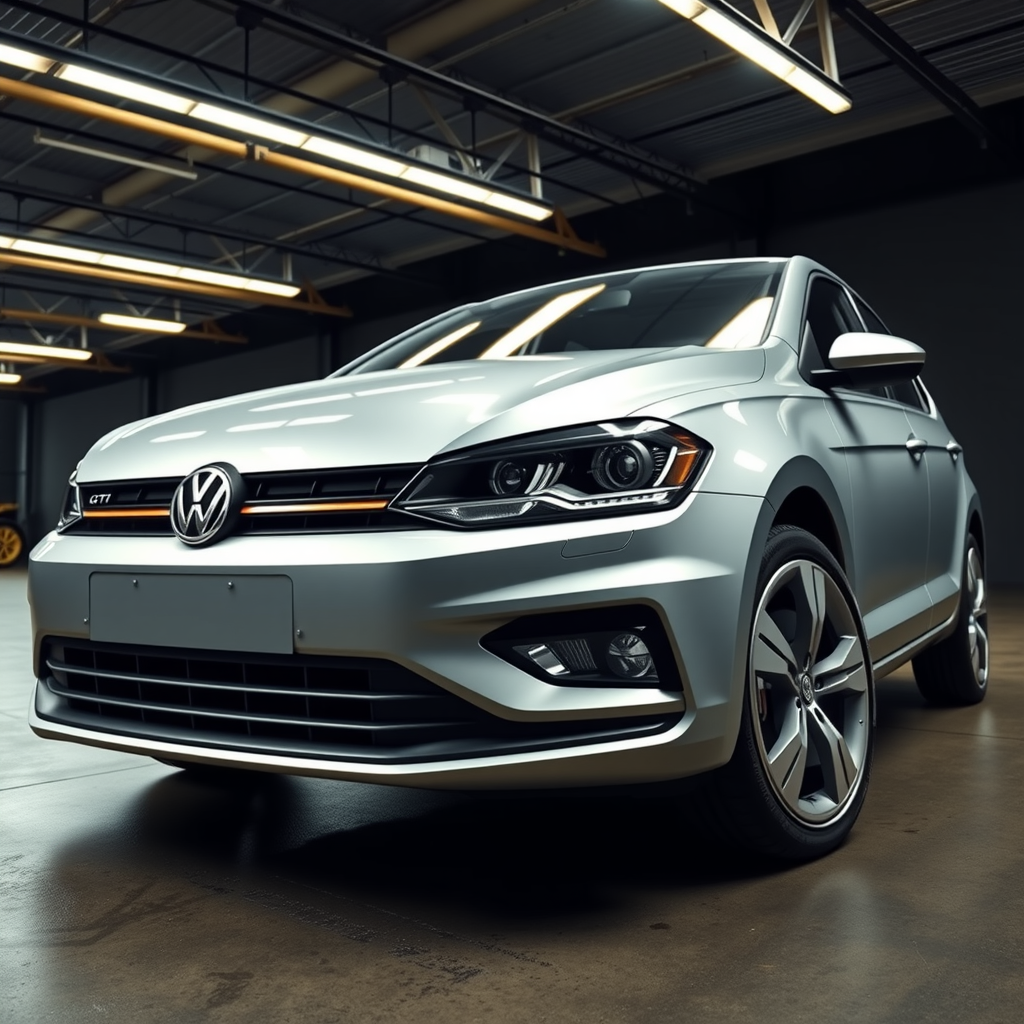
Volkswagen Polo wheel fitment — Vi AW
Volkswagen Polo wheel fitment
Volkswagen Polo wheel fitment comes down to two things: the factory hub spec, and how far the aftermarket width and offset can move from it. Both are here for the Volkswagen Polo (Vi) AW (2009–2017).
| Bolt pattern (PCD) | 5x100 |
| Centre bore | 57.1 mm |
| Bolt / thread | M14x1.5 (bolts) |
| Wheel-bolt torque | 120 Nm |
| Seat type | radius |
| Factory setup | square |
| TPMS | indirect |
Aftermarket wheel sizes — read per position:
| Position | Width | Offset |
|---|---|---|
| Front | 5J–8J | ET25–ET51 |
As a rule, each extra 1J of width wants roughly +8 to 10 ET to keep the wheel tucked. The exact offset and any spacer are confirmed by the fit-check.
Overview
The Volkswagen Polo (VI) AW is part of the supermini car segment (B-segment), produced by Volkswagen from 2009 to 2017. It was manufactured on the PQ25 platform, shared with the SEAT Ibiza Mk4 and Audi A1. This generation introduced a more modern design compared to its predecessor, featuring improved aerodynamics and enhanced interior space. The Polo VI AW is available in various body styles including hatchback and estate variants. Production took place at Volkswagen's facilities.
UK popularity & demand
Based on DfT VEH0124 vehicle-parc data (2025), there are approximately 678,728 Volkswagen Polo on UK roads, placing it in the top 1% of car models by volume across our fitment database.
That makes Volkswagen Polo wheel fitment a high-demand spec to keep in stock. It is one reason we track it here.
Source: DfT/DVLA licensed-vehicle statistics (VEH0124), matched to the AIWheelTech fitment database.
History & notable variants
The sixth-generation Polo (VI) was launched in 2009 on the PQ25 platform, marking a significant evolution from its predecessor with improved aerodynamics, enhanced interior space, and advanced technology features. It underwent a mid-cycle refresh known as LCI (Life Cycle Impulse), which introduced cosmetic changes and minor mechanical updates to maintain market relevance.
Dimensions
| Kerb weight | 1,105 to 1,355 kg |
Source: EU type-approval data (EEA).
Body styles & production
| Produced | 2009–2017 |
Trim levels
Factory colours
Reliability & owner notes
- Pros: Improved aerodynamics, enhanced interior space, advanced technology features
- Cons: No specific cons mentioned in the reference.
- Common issues: No common reliability issues reported for this generation.